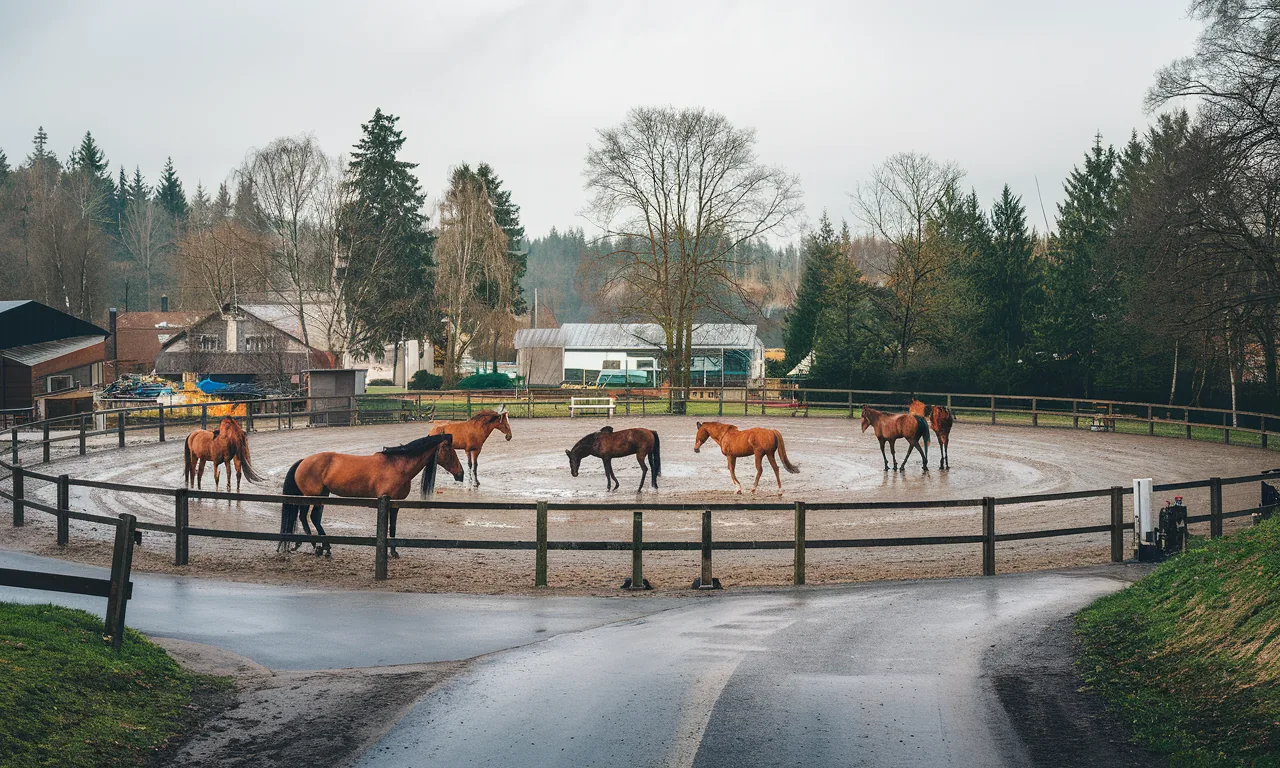
Discover Riding Stables & Horse Farms around Freising
Riding Stables & Horse Farms around Freising: Upcoming Dates, Action Days & Riding Events (from now)
If you ride around Freising or board a horse, you’ll find opportunities throughout the year to get to know stables, try out lessons, and further your education. This overview bundles the types of riding and stable events that typically take place in the coming months – and shows how you can find, assess, and safely plan reputable events.
Which Riding Events around Freising Make Sense Next
If you’re looking for a suitable stable, lessons, or new contacts in Freising and the surrounding area (e.g., towards Ampertal, Hallertau, Zolling, Kranzberg), these event formats are especially practical in the coming months:
- Open House / Farm and Stable Tours: to get to know the management, routines, staff, stable atmosphere, and safety standards.
- Trial Riding and Taster Sessions (individual or small group): to realistically assess the riding instructor, school horses, and teaching methods.
- Clinics (dressage, jumping, groundwork, seat training): compact further education, often also for riders from outside.
- Trail and Hacking Dates (guided, possibly with briefing): ideal if you want to get to know the riding network around the stable.
- Holiday Offers (pony days, riding camps, vaulting taster sessions): a good introduction for families before entering into long-term contracts or memberships.
Important: Good events are transparently organized. You should receive clear information in advance about participation requirements (skill level, equipment, weight limits), liability/insurance, and safety rules.
Stable Tours, Trial Rides & Info Days: How to Prepare
If you’re attending stable appointments in the next few weeks, structured preparation helps you compare fairly. Make sure you’re allowed to observe during regular operations (not just “showcase moments”), as that’s when you see the real practice.
Questions You Should Ask at Upcoming Tours
- Type of Management & Turnout: Box, paddock box, open/active stable – how many hours of daily turnout are planned, and how is it organized (also in case of weather changes)?
- Feeding: Amount/quality of hay, feeding intervals, concentrates, handling of supplements, hay management for respiratory issues (e.g., dust reduction).
- Herd System (if open stable): Admission routine, integration management, separation options, safety concept for conflicts.
- Health & Emergencies: Who decides in acute situations? How is accessibility regulated? What documents/consents are required?
- Service: Mucking out, pasture/paddock service, rug service, medication administration – what’s included, what costs extra, what is time-guaranteed?
- Infrastructure: Arena/field, lighting, lunging options, ground maintenance, arena rules, arena occupancy (peak times).
- Contracts: Notice periods, price adjustment clauses, liability regulations, house rules.
How to Recognize if a Stable is Suitable at Info Days
- Calm Horses, Clear Routines: Feeding, turnout, and mucking out appear structured and understandable.
- Transparent Communication: Questions are answered concretely; rules are justified (safety, animal welfare, quality of operations).
- Visible Safety Level: Well-maintained paths, secure fences/gates, clear arena rules, clear visitor routes.
Clinics & Training Days: How to Recognize Quality
Clinics are one of the most efficient ways to make progress or learn new approaches in the coming months. To make sure the event is worthwhile, look for quality features:
- Qualification & Focus of the Instructor: Have them explain their training, focus (e.g., dressage/jumping/groundwork), and teaching concept.
- Participant Management: Realistic group size, schedule with breaks, plan B for weather (for outdoor arenas).
- Horse Welfare & Workload Management: Sensible session length, warm-up/cool-down rules, breaks, clear criteria for stopping if overwhelmed.
- Documentation: Handout or brief summary of training goals for the next week – ideal if you want to sustainably implement what you’ve learned.
If you’re participating without your own horse (school horse), clarify in advance: rider weight/height, equipment, riding level classification, and whether an introduction is provided.
Guided Trail Rides & Outdoor Dates: Plan Safely
Guided trail rides are especially attractive in the coming months if you want to explore new routes around Freising without having to experiment alone. To keep the event relaxed, these points are crucial:
- Level Check: Is it checked in advance whether you can safely walk/trot/canter outdoors?
- Safety Briefing: Distances, overtaking rules, behavior when encountering others, mobile phone/emergency routine.
- Equipment: Helmet is standard; clarify whether a safety vest is recommended/required and if rental equipment is available.
- Weather & Ground: Good providers state clearly under which conditions the ride will be adjusted or postponed.
For outdoor dates: Allow enough buffer time (grooming, saddling, safety check) and follow the stable’s instructions to protect horses and participants.
Holiday Programs, Pony Days & Vaulting: Upcoming Offers for Children
For families, pony days, beginner courses, or vaulting taster sessions are often interesting during the next holiday periods. To ensure an event is truly child-friendly, pay attention to the following when registering:
- Supervision Ratio: How many children per supervisor? Are there additional helpers for leading?
- Concept: In addition to riding, also horse care, groundwork, safety rules, handling in the stable.
- Age and Size Matching: Groups by age and experience rather than “everyone together.”
- Safety Standards: Helmet rule, closed shoes, clear stable and arena rules.
If your child wants to get involved long-term, regular sessions (e.g., weekly) are usually more helpful than rare long appointments. Taster offers are ideal for testing whether the environment fits without pressure.
Checklist for the Next Weeks: Your Planning in 60 Minutes
- Set a Goal: Looking for a stable place, starting lessons, attending a clinic, or booking a guided ride.
- Select 3–5 Providers: Check websites, regional directories, club pages, and social media channels (event announcements, rules, contact).
- Save List of Questions: Type of management, turnout, feeding, safety, contract/prices, lesson structure.
- Block Appointment Slots: Plan two tours and one trial lesson within the next 14–21 days – this keeps the comparison fair.
- Note After the Appointment: What was clearly regulated? What remained vague? How did the horse management seem in everyday life?
- Secure Decision: For stable places, read contract documents at your leisure, have rules confirmed in writing, plan the first day (documents, vaccination status, emergency contacts).
Sources
- Federal Ministry of Food and Agriculture (BMEL): Information on Animal Husbandry & Animal Welfare — Guidance on animal welfare/fundamentals for management decisions (accessed 2026-04-29)
- Animal Welfare Act (TierSchG) — Legal framework for dealing with animals in Germany (accessed 2026-04-29)
- German Equestrian Federation (FN): Pferd-aktuell — Information on riding education, safety, and club matters (accessed 2026-04-29)
- FNverlag / Guidelines for Riding and Driving (overview page) — Recognized training and safety standards in equestrian sports (accessed 2026-04-29)