
Roland Kaiser
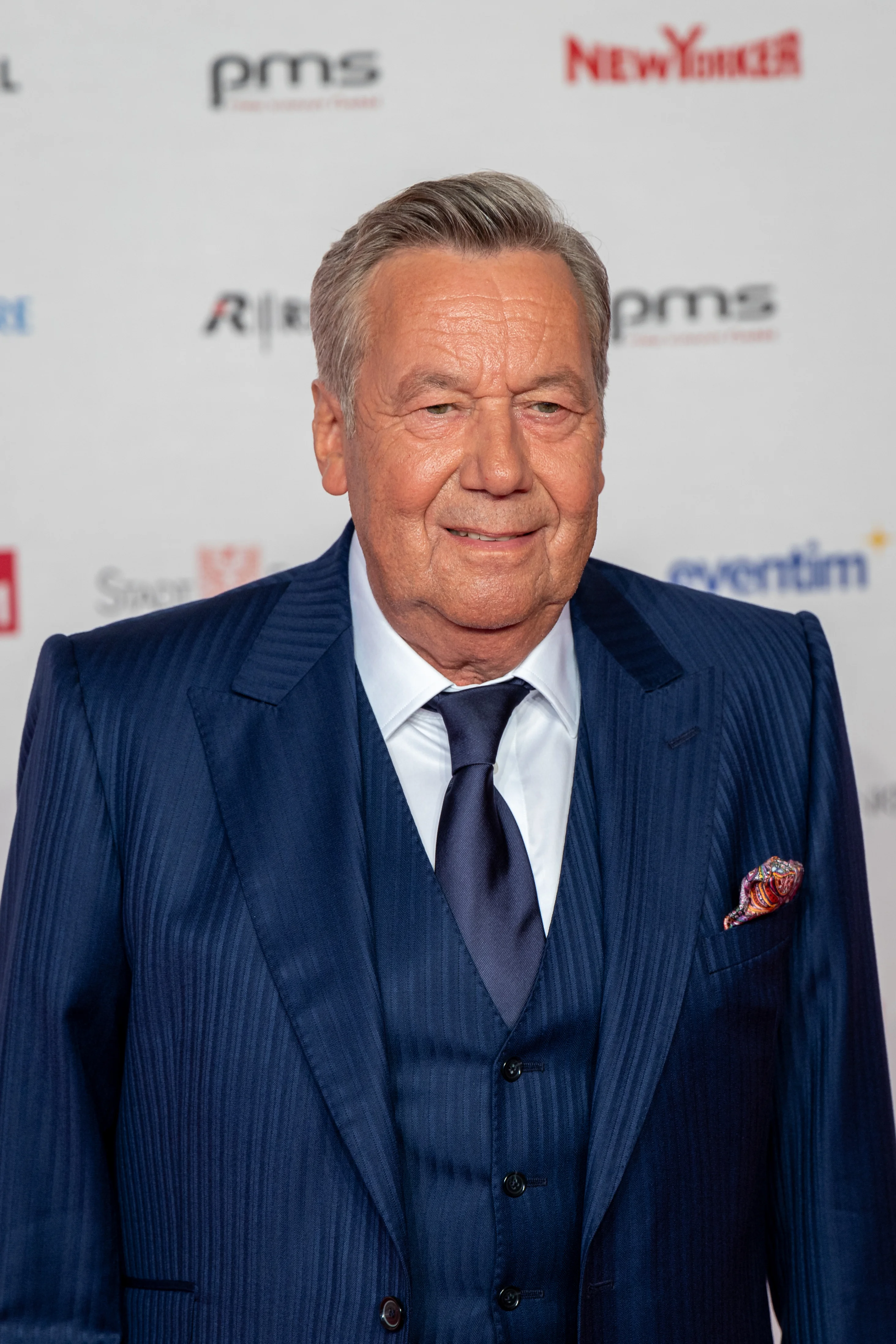
Image from Wikipedia
Image from Wikipedia
Roland Kaiser – The Voice of German Schlager with Attitude, Hit Power, and Resilience
An Artist Profile Between Cult Status, Stage Magic, and German Music History
For decades, Roland Kaiser has been one of the most defining voices in German-language Schlager music. He was born on May 10, 1952, in Berlin as Ronald Keiler; the Berlin boy became an entertainer who, with charisma, discipline, and an extraordinarily long music career, has accompanied generations of listeners. His name stands for great melodies, clear emotions, and a stage presence that extends its impact far beyond the boundaries of the genre. (de.wikipedia.org)
What makes Roland Kaiser so special is the combination of popular accessibility and artistic continuity. He embodies classic Schlager not as a nostalgic reminiscence, but as a living form of German pop culture that renews itself with each decade. With over 90 million records sold, a strong live culture, and surprisingly stable relevance, he ranks among the most successful solo artists in the country. (de.wikipedia.org)
From Berlin's Up-and-coming Singer to a National Phenomenon
Roland Kaiser began his career at a time when Schlager was still heavily influenced by radio, television stages, and the classic single format. His early career path took him from the everyday life of a young man in West Berlin into a professional music world where voice, presence, and recognizability were crucial. Even in the 1970s, he developed the profile of a singer who conveys emotions not exaggeratedly, but rather controlled and confidently. (de.wikipedia.org)
The big breakthrough came in 1980 with “Santa Maria,” a song that sold 1.2 million copies according to Wikipedia, making Kaiser one of the most significant interpreters of the genre. This success not only marked a commercial peak but also a stylistic one: from then on, Kaiser mastered the art of combining catchy choruses with a credible interpretive attitude. The song became a reference point in his career and a classic against which his entire later repertoire could be measured. (de.wikipedia.org)
Career Highlights, Awards, and the Power of Comeback
In the following decades, Roland Kaiser remained a reliable hitmaker. Some of his most important successes include “Lieb’ mich ein letztes Mal,” “Dich zu lieben,” “Manchmal möchte ich schon mit dir,” “Sieben Fässer Wein,” and the duet “Warum hast du nicht nein gesagt” with Maite Kelly. The latter, in particular, has developed into a cross-generational favorite and has become a viral hit in the digital age. The wide reach of this song shows how adaptable Kaiser’s music has remained in the present. (de.wikipedia.org)
Another central chapter of his career is the impressive comeback in the 2010s and 2020s. The studio album “Perspektiven” reached number one on the German album charts, securing him the top spot again after four decades. Sony Music and the official website also refer to platinum for the album, as well as his ongoing success as a live artist, whose tours regularly fill large venues and stadiums. In 2024, Kaiser celebrated his 50th stage anniversary with a large tour and over 400,000 fans. (roland-kaiser.de)
Musical Development Between Classic Schlager and Modern Pop Sensibility
Roland Kaiser’s musical development showcases the versatility of an artist who respects and simultaneously modernizes genre boundaries. His recordings combine melodic clarity, memorable hook lines, and a production that has adapted to the zeitgeist over decades. This adaptability is a crucial part of his authority: Kaiser remains stylistically recognizable without exhausting himself in a single sound form. (de.wikipedia.org)
As a lyricist, he also holds a firm position. According to Wikipedia, Kaiser has written a large portion of his lyrics himself since the beginning of his career and has also collaborated with other authors such as Norbert Hammerschmidt, Silvia Gehrke, and Maite Kelly. In addition, he has written lyrics for artists such as Peter Maffay, Milva, Nana Mouskouri, and Karat. This compositional and lyrical work demonstrates that Kaiser’s significance is rooted not only on stage but also in the creative background of the German pop and Schlager scene. (de.wikipedia.org)
Discography, Chart Successes, and Cultural Reach
Roland Kaiser’s discography includes an exceptionally long and successful history of releases. His official artist page maintained by Sony Music highlights not only the classics but also newer titles that underline his ongoing relevance: “Liebe kann uns retten,” “Gegen die Liebe kommt man nicht an,” and the million-view duet with Maite Kelly belong to the songs that have re-established Kaiser in the streaming and social media age. This way, his discography bridges the gap between classic hit formats and today’s pop economy. (roland-kaiser.de)
The official discography page also points to chart successes in Germany, Austria, and Switzerland, as well as regular album placements. His album “Alles oder Dich” achieved remarkable positions in various markets, solidifying Kaiser’s reputation as a long-lasting album entity in the German-speaking region. For cultural classification, it is essential that his works have become not only commercial products but also memorable: they have become part of the collective musical memory. (de.wikipedia.org)
New Projects 2024 to 2026: Tour, Film, and Expansion of Success
Roland Kaiser remains a busy artist even today. The official website announces “Marathon Plus,” an expanded version of the album “Marathon,” set to be released on March 6, 2026, featuring 21 songs and six exclusive, previously unreleased tracks. Additionally, the Open-Air Tour 2026 travels through Germany, solidifying Kaiser’s position as one of the country’s great live acts. (roland-kaiser.de)
Among the most significant recent releases are the singles “Mein Geheimnis,” “Ich werde da sein,” and “Achtung und Respekt.” Sony Music also highlights the feature film “50 Jahre Roland Kaiser – Ein Leben für die Musik,” which will be shown in cinemas starting on October 21, 2025. The official website describes this project as a cinematic document of the tour “RK50 I 50 Jahre – 50 Hits!,” which combines exclusive backstage insights with live material. (sonymusic.de)
Live Quality, Kaisermania, and the Special Bond with the Audience
Roland Kaiser is not just a studio artist, but above all a stage performer. The official website describes him as a performer who captivates his audience with a blend of great hits, favorite songs, and brand-new tracks. Particularly, the Kaisermania in Dresden has developed over the years into a firm ritual that visibly showcases the emotional impact of his live culture and underscores his closeness to fans. (roland-kaiser.de)
This closeness is no coincidence, but part of his artistic identity. Kaiser performs with the attitude of an entertainer who shapes the evening not only musically but atmospherically. His shows thrive on careful arrangement, clear dramaturgy, and that sovereignty, which can only come from decades of stage experience. (roland-kaiser.de)
Conclusion: Why Roland Kaiser Remains Relevant Today
Roland Kaiser embodies everything that makes a great German entertainment artist: a recognizable voice, durable hits, entrepreneurial consistency, and the rare ability to re-establish himself over decades. His work spans from the classic Schlager of the 1980s to contemporary productions with modern productions and strong presence in charts, streaming, and cinema. Anyone who wants to understand German pop history cannot overlook Roland Kaiser. (de.wikipedia.org)
He remains exciting because he does not dwell in the past. Roland Kaiser proves that Schlager is strongest when it combines emotion, craftsmanship, and contemporaneity. Those who experience him live feel this special combination of experience, charisma, and musical precision directly on stage. (roland-kaiser.de)
Official Channels of Roland Kaiser:
- Instagram: https://www.instagram.com/rolandkaiseroffiziell/
- Facebook: https://www.facebook.com/RolandKaiserOffiziell
- YouTube: https://www.youtube.com/channel/UCtn5v3vnSm9L24TcVaj6dbg
- TikTok: https://www.tiktok.com/@rolandkaiser
Sources:
Upcoming Events
Roland Kaiser live at Friedrichsplatz
ROLAND KAISER - The Open Air 2026
Roland Kaiser - Open Air Stadtsommer Kassel 2026
Roland Kaiser Open-Air 2026 in Coburg
Roland Kaiser – Open Air 2026
Roland Kaiser – Domplatz Open Air
Roland Kaiser – Open Air 2026
Roland Kaiser Open-Air Concert
Roland Kaiser – Open Air 2026