
Volksbühne am Rosa-Luxemburg-Platz
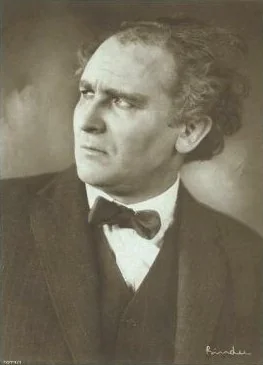
Image from Wikipedia
Image from Wikipedia
Volksbühne am Rosa-Luxemburg-Platz: Berlin's Rebellious Theatre with History, Attitude, and Present
A House That Has Made Theatre History
The Volksbühne am Rosa-Luxemburg-Platz is one of Germany's most prominent stages and, like few others, represents a concept of theatre that intertwines art, politics, and urban society. Its history begins in 1890 with the founding meeting of the Free Volksbühne; the current building at Rosa-Luxemburg-Platz was constructed from 1913 to 1914 with donations from members and was reopened in 1954 after war destruction. The name still refers to a cultural mission: theatre for many, not for the few. ([de.wikipedia.org](https://de.wikipedia.org/wiki/Volksb%C3%BChne_am_Rosa-Luxemburg-Platz?utm_source=openai))
From the Labor Movement to a Cultural Brand
The original location at Bülowplatz shaped the house until 1933; later, it became a symbol in reunified Berlin for aesthetic friction, institutional debate, and urban identity. After the fall of the Berlin Wall, Frank Castorf as artistic director ushered in a defining era until 2017, during which the Volksbühne became an international synonym for radical director's theatre, lengthy performances, political intensification, and an unmistakable stage presence. The subsequent upheavals under Chris Dercon, Klaus Dörr, and finally René Pollesch demonstrate how contested yet vibrant the significance of this house remains. ([de.wikipedia.org](https://de.wikipedia.org/wiki/Volksb%C3%BChne_am_Rosa-Luxemburg-Platz?utm_source=openai))
Architecture, Space, and Aura
The architecture also tells cultural history: The auditorium once had three tiers and 1,968 seats, later the capacity was reduced to the current approximately 800 seats. The house at Rosa-Luxemburg-Platz still appears monumental while being open to reinterpretation; it is precisely this tension that defines its appeal. It is a building that does not merely host performances but functions as a historical resonance chamber itself. ([de.wikipedia.org](https://de.wikipedia.org/wiki/Volksbühne_am_Rosa-Luxemburg-Platz?utm_source=openai))
The Artistic Signature of the Present
On its official website, the Volksbühne presents itself under the current leadership as a place for performative, musical, and discursive formats that consciously dissolve classic genre boundaries. The new season is inaugurated with projects like VOLKSBAD am Rosa-Luxemburg-Platz, which transforms the venue into a public swimming pool with a discursive accompanying structure for eight weeks. This intervention showcases the aesthetic principle of the house: art as social practice, not as a closed representation. ([neu.volksbuehne-berlin.de](https://neu.volksbuehne-berlin.de/?utm_source=openai))
Current Projects and Programmatic Direction
Current and upcoming program lines include productions and series that combine theatre, music, performance, readings, and political reflection. The Volksbühne explicitly describes its music program as a field between live concerts, club music, performance art, and installations; the focus lies on experimental composition, electronic music, pop, club culture, and performative formats that follow the impact of sound on perception and social situations rather than adhering to genre. This focus firmly anchors the house in the present-day culture of Berlin. ([neu.volksbuehne-berlin.de](https://neu.volksbuehne-berlin.de/en/))
Discography? No — but a Repertoire with Impact
As a theatre, the Volksbühne does not have a discography, but it does have a repertoire with canonical significance. Its most important "works list" consists of productions, projects, and artistic signatures that have shaped debates over the years. The era of Frank Castorf, in particular, established the house as a brand in international theatre discourse, while later phases intensified the contest over openness, renewal, and institutional identity. ([de.wikipedia.org](https://de.wikipedia.org/wiki/Volksbühne_am_Rosa-Luxemburg-Platz?utm_source=openai))
Reception, Criticism, and Cultural Influence
The cultural journalistic reception of the Volksbühne has oscillated for decades between admiration, provocation, and passionate dissent. Reports on occupations, artistic upheavals, and premieres show that this house is not just a venue but a societal stage. It is precisely in this role that its cultural influence lies: the Volksbühne am Rosa-Luxemburg-Platz has shaped the idea that theatre can be a public negotiating space where aesthetics, politics, and urban reality interweave inextricably. ([tagesspiegel.de](https://www.tagesspiegel.de/kultur/volksbuhne-am-rosa-luxemburg-platz-besetzt-5673025.html?utm_source=openai))
Style, Atmosphere, and Significance for Berlin
The Volksbühne operates as an institution with a distinctive dramaturgy of resistance. Its profile combines the labor movement, avant-garde, performance, club aesthetics, and experimental narrative forms into a cultural overall picture that marks Berlin well beyond its city limits. Those who visit this house experience not only theatre but a specific attitude: uncomfortable, curious, historically aware, and open to aesthetic transgressions. ([de.wikipedia.org](https://de.wikipedia.org/wiki/Volksbühne_am_Rosa-Luxemburg-Platz?utm_source=openai))
Conclusion: Why the Volksbühne am Rosa-Luxemburg-Platz Remains Exciting
The Volksbühne remains exciting because it never simply manages nostalgia. It is a house that knows its past, debates its present, and continually reinvents its future. Anyone who wants to understand Berlin should not only know the Volksbühne but experience it live — as a place where art, conflict, and collective experience intersect with particular intensity. ([neu.volksbuehne-berlin.de](https://neu.volksbuehne-berlin.de/?utm_source=openai))
Official Channels of Volksbühne am Rosa-Luxemburg-Platz:
- Instagram: https://www.instagram.com/
- Facebook: https://www.facebook.com/
- YouTube: no official profile found
- Spotify: no official profile found
- TikTok: no official profile found
Sources:
- Volksbühne am Rosa-Luxemburg-Platz – official website
- Volksbühne am Rosa-Luxemburg-Platz – new website / schedule
- Wikipedia: Volksbühne am Rosa-Luxemburg-Platz
- Die Deutsche Bühne – Review of "Women in Trouble"
- Tagesspiegel – Report on the Occupation of the Volksbühne
- DIE ZEIT – Retrospective on the Castorf Era