
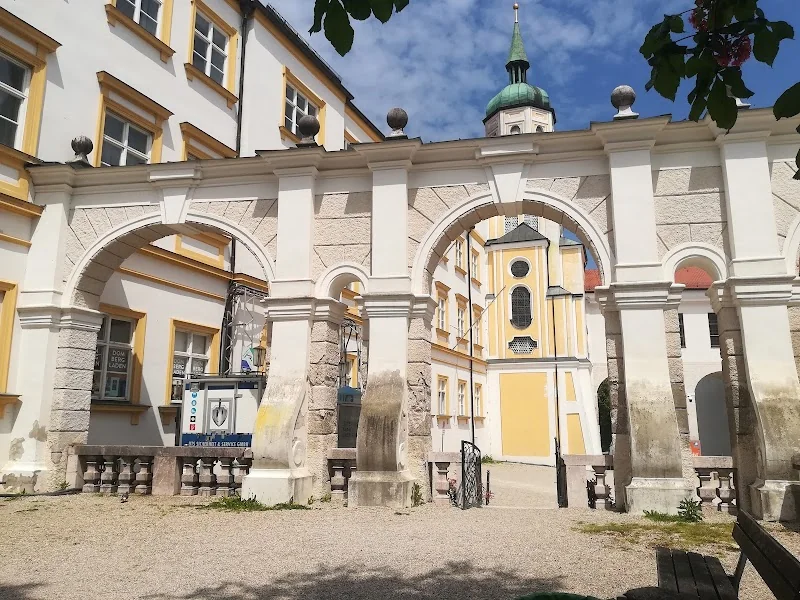
Freising
Domberg, 85354 Freising, Deutschland
Domberg Freising | Dombergbahn & Diözesanmuseum
The Domberg in Freising is much more than a hill above the old town: It is a place rich in history, faith, education, and art that continues to shape the city today. Those who walk up from the bustling city center reach the Mons doctus, the teaching mountain, where for centuries prince-bishops, scholars, art collections, and ecclesiastical institutions came together. Today, the Freising Cathedral, the Diocesan Museum, the Cardinal Döpfner House, the Domberg Academy, and other institutions form an ensemble that appears calm, focused, and surprisingly diverse. This very contrast makes the Domberg so exciting for visitors: There is the grand historical narrative, but also very practical questions about access, barrier-free entry, opening hours, and the best ways to reach the plateau. Below, the most important topics surrounding the Domberg Freising are presented in a bundled manner - from history and architecture to the Dombergbahn and parking, as well as museums, educational sites, and viewpoints. ([tourismus.freising.de](https://tourismus.freising.de/sehenswert/domberg))
Dombergbahn and barrier-free access to the Domberg
The accessibility of the Domberg has long been closely linked to its topography. The Freising Domberg is elevated, the buildings are castle-like, and the historical paths lead through terrain that has been rather difficult than comfortable for many centuries. That is precisely why the Dombergbahn is so significant for today's visitors. The funicular from Bahnhofstraße makes the ascent to the plateau barrier-free since May 2024 and opens up access that was previously only limited or reachable via the winding streets around the mountain. The tourism website explicitly states that the Domberg was primarily accessed via the Upper and Lower Domberggasse and that Kanzlerbogen and Agilolfingertor still remind of the old fortifications. Those arriving today experience not only a practical means of ascent but also a very visible transition between modern urban mobility and historical city silhouette. This is a significant advantage, especially for people with limited mobility, families with strollers, and guests with little time. ([tourismus.freising.de](https://tourismus.freising.de/sehenswert/domberg/dombergbahn))
The key data of the Dombergbahn are also helpful for planning. The cabin accommodates a maximum of 14 people, the use is free of charge, and the facility operates daily from 6 AM to 11 PM. An ascent or descent takes just under one and a half minutes and overcomes a height difference of 22 meters. The train travels at 0.5 meters per second and can transport up to 220 people per hour in both directions during peak times. The valley station is designed as a red gable house on Bahnhofstraße, while the mountain station is a white portal that not only facilitates access to the Diocesan Museum but also to other facilities such as the District Court, the Dom-Gymnasium, and especially to the Freising Cathedral. For visitors, this means: The Domberg is no longer just a destination for those who can walk well, but a place that has become significantly more open and accessible. ([tourismus.freising.de](https://tourismus.freising.de/sehenswert/domberg/dombergbahn))
Access and parking at the Domberg in Freising
Those who want to reach the Domberg by car or on foot from the city center benefit from its location in the middle of Freising. The path from the old town up is short and is already part of the experience, as the Domberg is in close proximity to the historic city center and forms an ensemble that can be easily explored on foot. For drivers, the official notices from the city are particularly relevant. The parking garage Am Wörth / Domberg is explicitly mentioned in the city's guidance system, and from there, a barrier-free route leads via Bahnhofstraße, Obere Hauptstraße, and Brennergasse to the foot of the Domberg. This route is not only interesting for people who rely on a gentle incline but also for visitors who prefer to approach the ascent in a structured and planned manner. The city even documents the inclines and shows that the path to the Domberg runs along paved roads. Therefore, it is worthwhile to consider the inner-city parking space more strategically than to search spontaneously. ([freising.de](https://www.freising.de/rathaus/stadtentwicklung/barrierefreie-wegfuehrung/parkhaus-am-woerth))
Additionally, the Freising tourism website for the Diocesan Museum points out that there is a parking garage available on the Domberg and that access by buses is not possible. This is an important note for travel groups and bus travelers, as it makes planning significantly more precise in advance. Those who want to visit the Domberg should therefore distinguish between individual cars, public transport, and group logistics. For individual visits, the combination of parking garage, short walking distance, or Dombergbahn is particularly attractive. Those traveling barrier-free can directly connect the Dombergbahn with the museum visit, the walk to the cathedral, and the tour of the plateau. It is also practical that the city center of Freising itself is compact, allowing many routes to remain walkable. This is precisely how the Domberg unfolds its special quality: it is both easily accessible and yet closed enough to allow for a calm, decelerated visit. ([tourismus.freising.de](https://tourismus.freising.de/sehenswert/museen-kunstorte/dioezesanmuseum?utm_source=openai))
History of the Domberg Freising: Korbinian, Cathedral School, and Prince-Bishops
The history of the Freising Domberg dates back far and does not begin only with the well-known ecclesiastical buildings. Even in prehistoric times, the hill by the Isar was inhabited. In the 8th century, it was the residence of a Bavarian sub-duke, and from here, Bishop Korbinian, who came from near Paris, was invited to proclaim the Christian faith. From this connection developed the spiritual origin of the Diocese of Freising, which was established in 739 by Saint Boniface on papal commission. For more than a millennium, the prince-bishops of Freising had their seat on the Domberg, and the medieval cathedral school gave the hill the venerable name Mons doctus, meaning learned mountain. Thus, today, those who walk across the plateau move in a space that has been shaped not only architecturally but also intellectually and spiritually. For centuries, the Domberg was a place of administration, liturgy, education, and political influence in Old Bavaria. ([www2.erzbistum-muenchen.de](https://www2.erzbistum-muenchen.de/im-blick/domberg-freising/geschichte))
With the secularization of the prince-bishopric in 1802 and the relocation of the bishop's seat to Munich in 1821, the function of the Domberg changed fundamentally. From the center of prince-bishops' power, it gradually became a place of priestly education, learning, and later culture. From 1826 onwards, the Archiepiscopal Boys' Seminary, the Domgymnasium, the Priestly Seminary, and the Philosophical-Theological University were established here. In the second half of the 20th century, seminars and universities were relocated or closed, and since 1968, the Archdiocese of Munich and Freising has gathered a number of significant cultural and educational institutions on the Domberg. These include the educational center, the Diocesan Museum for Christian Art, and the Cathedral Library. Even today, the Domberg remains a place with an influence far beyond Freising, among other things through the Freising Bishop's Conference and the seat of Renovabis. The ongoing development of the area and the House at the Domberg announced for 2027 show that this historical site continues to be actively shaped and is not only preserved but also further developed. ([www2.erzbistum-muenchen.de](https://www2.erzbistum-muenchen.de/im-blick/domberg-freising/geschichte))
Diocesan Museum Freising: Art, Collection, and Visit
The Diocesan Museum Freising is one of the most important points of contact on the Domberg and connects the historical site with an impressive collection. The museum reopened on October 2, 2022, after nine years of closure and four years of construction. The extensively renovated building on the Domberg presents itself renewed both externally and internally. Architecturally striking are the opened walls described by Brückner & Brückner, the floor-to-ceiling windows, and the bright arcades that deliberately create views, insights, and passages. The house is located at Domberg 21 in 85354 Freising, providing a clear spatial assignment within the ensemble of the Domberg. Particularly appealing is that the museum not only functions as an exhibition space but also as an open viewpoint of the mountain, the city, and the cultural history of Christianity. With over 40,000 objects, the collection includes art and cultural assets from many centuries, including late medieval works, South German Baroque and Rococo art, as well as objects related to liturgy, popular piety, pilgrimage, and monastic culture. ([dimu-freising.de](https://www.dimu-freising.de/museum/ueber-das-museum))
Visiting also includes practical details that are particularly important for an excursion to the Domberg. The museum is barrier-free, the entire building with foyer, exhibitions, light installation by James Turrell, and gastronomy is accessible without steps or via barrier-free elevators. The opening hours are from Tuesday to Sunday between 9 AM and 5 PM, and the museum is closed on Mondays. Particularly interesting is the combination of art and atmosphere: In the basement, the museum's gastronomy invites visitors to take a break in the high vaulted rooms of the Weihenstephan Hall and on the west terrace with a view over the old town of Freising, towards Munich, and the Alps. Thus, those who visit the museum experience not only exhibitions but a consciously designed connection of collection, architecture, and landscape experience. The museum's website also refers to additional offers such as visit planning, guided tours, family programs, and inclusive mediation. This mixture of high collection competence and good accessibility makes the Diocesan Museum a strong search topic around the Domberg Freising. ([dimu-freising.de](https://www.dimu-freising.de/barrierefrei))
Kardinal-Döpfner-Haus and Domberg Academy: Education and Dialogue
An essential part of the Domberg is the Kardinal-Döpfner-Haus, which plays a central role in the historical development of the area. The house has been a meeting point on the Domberg for centuries and goes back to the former prince-bishops' residence. This residence served since the early Middle Ages as a dwelling, meeting place, and administration of the Freising prince-bishops. Since 1803, the building has been the center of the Priestly Seminary, and since 1968 it has been used as a conference and accommodation facility as well as a venue for encounters, discussion rounds, and meetings. Its current significance lies not only in the historical building but also in its function as a place of exchange. Even during extensive renovation work, the site remains vibrant, for example, through the dining car and the Marstall, which continue to attract visitors and keep the Domberg present in everyday life. For the visitor, this creates an image of the Domberg as a working point of ecclesiastical, cultural, and social communication. ([erzbistum-muenchen.de](https://www.erzbistum-muenchen.de/ordinariat/ressort-2-bauwesen-und-kunst/kardinal-doepfner-haus-freising))
Closely connected to this is the Domberg Academy, which serves as the adult education foundation of the Archdiocese of Munich and Freising, located at Untere Domberggasse 2. Its profile shows that the Domberg is not only a place of memory but also a place of current discourse. The academy works in educational areas such as democracy & ethics, religion & church, and workshop future, inviting new orientation in a complex present through events, blogs, and projects. The approach of thinking anew, believing anew, and shaping anew makes it clear that the historical heritage is not museum-like but translated into contemporary educational work. For visitors interested in lectures, discussions, ethical questions, or social issues, the Domberg Academy is therefore a suitable anchor point on the mountain. The practical information is also clear: Contact details, opening hours, and the structure of the institution are transparently presented on the official website. Thus, the Domberg in Freising stands not only for the past and art but also for education, dialogue, and public debate. ([domberg-akademie.de](https://domberg-akademie.de/kontakt))
Tour, View, and Practical Visiting Tips
A visit to the Domberg thrives on the tour itself. Even the short path from the bustling old town up makes the character of the place palpable: below the historic city, above the calm plateau with wide sightlines, ecclesiastical buildings, and courtyards that structure the ensemble. On the Domberg, one can discover places that make different layers of time visible. The cathedral courtyard with the Otto von Freising monument commemorates a significant medieval historian who lived here. The cathedral, the former prince-bishops' residence, and the neighboring official buildings together form an urban space that has been the spiritual and ecclesiastical center of Old Bavaria for centuries and still holds this status as the ecclesiastical and cultural center of Freising. This makes the Domberg particularly suitable for visitors who want to understand not just a single building but an ensemble. Here, architecture, urban history, theology, and culture intertwine in a compact topography. ([tourismus.freising.de](https://tourismus.freising.de/sehenswert/domberg))
Particularly impressive are the views from the Baroque belvedere, which on clear days extend as far as Munich and the Alps. This makes the Domberg also a worthwhile destination from a landscape perspective, as the calm views stand in stark contrast to the dense city below. The cathedral itself, as a cathedral or today as a co-cathedral of the Archdiocese of Munich and Freising, is a central focal point, and the interplay with the Diocesan Museum and educational sites adds additional depth to the visit. Those who bring enough time can experience the Domberg as a slow urban space: first the ascent with the Dombergbahn or on foot, then the walk across the squares, followed by the museum, and finally a view over the rooftops of Freising. This sequence makes the place equally attractive for cultural travelers, day visitors, and those interested in ecclesiastical history. The Domberg is thus a place of discovery but also of inner peace - a rare interplay that makes Freising unmistakable to this day. ([tourismus.freising.de](https://tourismus.freising.de/en/sights/domberg-cathedral-hill))
Sources:
- Tourism Freising - Domberg Freising
- Tourism Freising - Dombergbahn
- Diocesan Museum Freising - Official Website
- Diocesan Museum Freising - Barrier-free
- Archdiocese of Munich and Freising - Welcome to the Freising Domberg
- Archdiocese of Munich and Freising - History of Domberg Freising
- Archdiocese of Munich and Freising - Kardinal-Döpfner-Haus Freising
- Domberg Academy - Official Website
- Domberg Academy - Contact
- City of Freising - Parking Garage Am Wörth / Domberg
Show moreShow less
Domberg Freising | Dombergbahn & Diözesanmuseum
The Domberg in Freising is much more than a hill above the old town: It is a place rich in history, faith, education, and art that continues to shape the city today. Those who walk up from the bustling city center reach the Mons doctus, the teaching mountain, where for centuries prince-bishops, scholars, art collections, and ecclesiastical institutions came together. Today, the Freising Cathedral, the Diocesan Museum, the Cardinal Döpfner House, the Domberg Academy, and other institutions form an ensemble that appears calm, focused, and surprisingly diverse. This very contrast makes the Domberg so exciting for visitors: There is the grand historical narrative, but also very practical questions about access, barrier-free entry, opening hours, and the best ways to reach the plateau. Below, the most important topics surrounding the Domberg Freising are presented in a bundled manner - from history and architecture to the Dombergbahn and parking, as well as museums, educational sites, and viewpoints. ([tourismus.freising.de](https://tourismus.freising.de/sehenswert/domberg))
Dombergbahn and barrier-free access to the Domberg
The accessibility of the Domberg has long been closely linked to its topography. The Freising Domberg is elevated, the buildings are castle-like, and the historical paths lead through terrain that has been rather difficult than comfortable for many centuries. That is precisely why the Dombergbahn is so significant for today's visitors. The funicular from Bahnhofstraße makes the ascent to the plateau barrier-free since May 2024 and opens up access that was previously only limited or reachable via the winding streets around the mountain. The tourism website explicitly states that the Domberg was primarily accessed via the Upper and Lower Domberggasse and that Kanzlerbogen and Agilolfingertor still remind of the old fortifications. Those arriving today experience not only a practical means of ascent but also a very visible transition between modern urban mobility and historical city silhouette. This is a significant advantage, especially for people with limited mobility, families with strollers, and guests with little time. ([tourismus.freising.de](https://tourismus.freising.de/sehenswert/domberg/dombergbahn))
The key data of the Dombergbahn are also helpful for planning. The cabin accommodates a maximum of 14 people, the use is free of charge, and the facility operates daily from 6 AM to 11 PM. An ascent or descent takes just under one and a half minutes and overcomes a height difference of 22 meters. The train travels at 0.5 meters per second and can transport up to 220 people per hour in both directions during peak times. The valley station is designed as a red gable house on Bahnhofstraße, while the mountain station is a white portal that not only facilitates access to the Diocesan Museum but also to other facilities such as the District Court, the Dom-Gymnasium, and especially to the Freising Cathedral. For visitors, this means: The Domberg is no longer just a destination for those who can walk well, but a place that has become significantly more open and accessible. ([tourismus.freising.de](https://tourismus.freising.de/sehenswert/domberg/dombergbahn))
Access and parking at the Domberg in Freising
Those who want to reach the Domberg by car or on foot from the city center benefit from its location in the middle of Freising. The path from the old town up is short and is already part of the experience, as the Domberg is in close proximity to the historic city center and forms an ensemble that can be easily explored on foot. For drivers, the official notices from the city are particularly relevant. The parking garage Am Wörth / Domberg is explicitly mentioned in the city's guidance system, and from there, a barrier-free route leads via Bahnhofstraße, Obere Hauptstraße, and Brennergasse to the foot of the Domberg. This route is not only interesting for people who rely on a gentle incline but also for visitors who prefer to approach the ascent in a structured and planned manner. The city even documents the inclines and shows that the path to the Domberg runs along paved roads. Therefore, it is worthwhile to consider the inner-city parking space more strategically than to search spontaneously. ([freising.de](https://www.freising.de/rathaus/stadtentwicklung/barrierefreie-wegfuehrung/parkhaus-am-woerth))
Additionally, the Freising tourism website for the Diocesan Museum points out that there is a parking garage available on the Domberg and that access by buses is not possible. This is an important note for travel groups and bus travelers, as it makes planning significantly more precise in advance. Those who want to visit the Domberg should therefore distinguish between individual cars, public transport, and group logistics. For individual visits, the combination of parking garage, short walking distance, or Dombergbahn is particularly attractive. Those traveling barrier-free can directly connect the Dombergbahn with the museum visit, the walk to the cathedral, and the tour of the plateau. It is also practical that the city center of Freising itself is compact, allowing many routes to remain walkable. This is precisely how the Domberg unfolds its special quality: it is both easily accessible and yet closed enough to allow for a calm, decelerated visit. ([tourismus.freising.de](https://tourismus.freising.de/sehenswert/museen-kunstorte/dioezesanmuseum?utm_source=openai))
History of the Domberg Freising: Korbinian, Cathedral School, and Prince-Bishops
The history of the Freising Domberg dates back far and does not begin only with the well-known ecclesiastical buildings. Even in prehistoric times, the hill by the Isar was inhabited. In the 8th century, it was the residence of a Bavarian sub-duke, and from here, Bishop Korbinian, who came from near Paris, was invited to proclaim the Christian faith. From this connection developed the spiritual origin of the Diocese of Freising, which was established in 739 by Saint Boniface on papal commission. For more than a millennium, the prince-bishops of Freising had their seat on the Domberg, and the medieval cathedral school gave the hill the venerable name Mons doctus, meaning learned mountain. Thus, today, those who walk across the plateau move in a space that has been shaped not only architecturally but also intellectually and spiritually. For centuries, the Domberg was a place of administration, liturgy, education, and political influence in Old Bavaria. ([www2.erzbistum-muenchen.de](https://www2.erzbistum-muenchen.de/im-blick/domberg-freising/geschichte))
With the secularization of the prince-bishopric in 1802 and the relocation of the bishop's seat to Munich in 1821, the function of the Domberg changed fundamentally. From the center of prince-bishops' power, it gradually became a place of priestly education, learning, and later culture. From 1826 onwards, the Archiepiscopal Boys' Seminary, the Domgymnasium, the Priestly Seminary, and the Philosophical-Theological University were established here. In the second half of the 20th century, seminars and universities were relocated or closed, and since 1968, the Archdiocese of Munich and Freising has gathered a number of significant cultural and educational institutions on the Domberg. These include the educational center, the Diocesan Museum for Christian Art, and the Cathedral Library. Even today, the Domberg remains a place with an influence far beyond Freising, among other things through the Freising Bishop's Conference and the seat of Renovabis. The ongoing development of the area and the House at the Domberg announced for 2027 show that this historical site continues to be actively shaped and is not only preserved but also further developed. ([www2.erzbistum-muenchen.de](https://www2.erzbistum-muenchen.de/im-blick/domberg-freising/geschichte))
Diocesan Museum Freising: Art, Collection, and Visit
The Diocesan Museum Freising is one of the most important points of contact on the Domberg and connects the historical site with an impressive collection. The museum reopened on October 2, 2022, after nine years of closure and four years of construction. The extensively renovated building on the Domberg presents itself renewed both externally and internally. Architecturally striking are the opened walls described by Brückner & Brückner, the floor-to-ceiling windows, and the bright arcades that deliberately create views, insights, and passages. The house is located at Domberg 21 in 85354 Freising, providing a clear spatial assignment within the ensemble of the Domberg. Particularly appealing is that the museum not only functions as an exhibition space but also as an open viewpoint of the mountain, the city, and the cultural history of Christianity. With over 40,000 objects, the collection includes art and cultural assets from many centuries, including late medieval works, South German Baroque and Rococo art, as well as objects related to liturgy, popular piety, pilgrimage, and monastic culture. ([dimu-freising.de](https://www.dimu-freising.de/museum/ueber-das-museum))
Visiting also includes practical details that are particularly important for an excursion to the Domberg. The museum is barrier-free, the entire building with foyer, exhibitions, light installation by James Turrell, and gastronomy is accessible without steps or via barrier-free elevators. The opening hours are from Tuesday to Sunday between 9 AM and 5 PM, and the museum is closed on Mondays. Particularly interesting is the combination of art and atmosphere: In the basement, the museum's gastronomy invites visitors to take a break in the high vaulted rooms of the Weihenstephan Hall and on the west terrace with a view over the old town of Freising, towards Munich, and the Alps. Thus, those who visit the museum experience not only exhibitions but a consciously designed connection of collection, architecture, and landscape experience. The museum's website also refers to additional offers such as visit planning, guided tours, family programs, and inclusive mediation. This mixture of high collection competence and good accessibility makes the Diocesan Museum a strong search topic around the Domberg Freising. ([dimu-freising.de](https://www.dimu-freising.de/barrierefrei))
Kardinal-Döpfner-Haus and Domberg Academy: Education and Dialogue
An essential part of the Domberg is the Kardinal-Döpfner-Haus, which plays a central role in the historical development of the area. The house has been a meeting point on the Domberg for centuries and goes back to the former prince-bishops' residence. This residence served since the early Middle Ages as a dwelling, meeting place, and administration of the Freising prince-bishops. Since 1803, the building has been the center of the Priestly Seminary, and since 1968 it has been used as a conference and accommodation facility as well as a venue for encounters, discussion rounds, and meetings. Its current significance lies not only in the historical building but also in its function as a place of exchange. Even during extensive renovation work, the site remains vibrant, for example, through the dining car and the Marstall, which continue to attract visitors and keep the Domberg present in everyday life. For the visitor, this creates an image of the Domberg as a working point of ecclesiastical, cultural, and social communication. ([erzbistum-muenchen.de](https://www.erzbistum-muenchen.de/ordinariat/ressort-2-bauwesen-und-kunst/kardinal-doepfner-haus-freising))
Closely connected to this is the Domberg Academy, which serves as the adult education foundation of the Archdiocese of Munich and Freising, located at Untere Domberggasse 2. Its profile shows that the Domberg is not only a place of memory but also a place of current discourse. The academy works in educational areas such as democracy & ethics, religion & church, and workshop future, inviting new orientation in a complex present through events, blogs, and projects. The approach of thinking anew, believing anew, and shaping anew makes it clear that the historical heritage is not museum-like but translated into contemporary educational work. For visitors interested in lectures, discussions, ethical questions, or social issues, the Domberg Academy is therefore a suitable anchor point on the mountain. The practical information is also clear: Contact details, opening hours, and the structure of the institution are transparently presented on the official website. Thus, the Domberg in Freising stands not only for the past and art but also for education, dialogue, and public debate. ([domberg-akademie.de](https://domberg-akademie.de/kontakt))
Tour, View, and Practical Visiting Tips
A visit to the Domberg thrives on the tour itself. Even the short path from the bustling old town up makes the character of the place palpable: below the historic city, above the calm plateau with wide sightlines, ecclesiastical buildings, and courtyards that structure the ensemble. On the Domberg, one can discover places that make different layers of time visible. The cathedral courtyard with the Otto von Freising monument commemorates a significant medieval historian who lived here. The cathedral, the former prince-bishops' residence, and the neighboring official buildings together form an urban space that has been the spiritual and ecclesiastical center of Old Bavaria for centuries and still holds this status as the ecclesiastical and cultural center of Freising. This makes the Domberg particularly suitable for visitors who want to understand not just a single building but an ensemble. Here, architecture, urban history, theology, and culture intertwine in a compact topography. ([tourismus.freising.de](https://tourismus.freising.de/sehenswert/domberg))
Particularly impressive are the views from the Baroque belvedere, which on clear days extend as far as Munich and the Alps. This makes the Domberg also a worthwhile destination from a landscape perspective, as the calm views stand in stark contrast to the dense city below. The cathedral itself, as a cathedral or today as a co-cathedral of the Archdiocese of Munich and Freising, is a central focal point, and the interplay with the Diocesan Museum and educational sites adds additional depth to the visit. Those who bring enough time can experience the Domberg as a slow urban space: first the ascent with the Dombergbahn or on foot, then the walk across the squares, followed by the museum, and finally a view over the rooftops of Freising. This sequence makes the place equally attractive for cultural travelers, day visitors, and those interested in ecclesiastical history. The Domberg is thus a place of discovery but also of inner peace - a rare interplay that makes Freising unmistakable to this day. ([tourismus.freising.de](https://tourismus.freising.de/en/sights/domberg-cathedral-hill))
Sources:
- Tourism Freising - Domberg Freising
- Tourism Freising - Dombergbahn
- Diocesan Museum Freising - Official Website
- Diocesan Museum Freising - Barrier-free
- Archdiocese of Munich and Freising - Welcome to the Freising Domberg
- Archdiocese of Munich and Freising - History of Domberg Freising
- Archdiocese of Munich and Freising - Kardinal-Döpfner-Haus Freising
- Domberg Academy - Official Website
- Domberg Academy - Contact
- City of Freising - Parking Garage Am Wörth / Domberg
Domberg Freising | Dombergbahn & Diözesanmuseum
The Domberg in Freising is much more than a hill above the old town: It is a place rich in history, faith, education, and art that continues to shape the city today. Those who walk up from the bustling city center reach the Mons doctus, the teaching mountain, where for centuries prince-bishops, scholars, art collections, and ecclesiastical institutions came together. Today, the Freising Cathedral, the Diocesan Museum, the Cardinal Döpfner House, the Domberg Academy, and other institutions form an ensemble that appears calm, focused, and surprisingly diverse. This very contrast makes the Domberg so exciting for visitors: There is the grand historical narrative, but also very practical questions about access, barrier-free entry, opening hours, and the best ways to reach the plateau. Below, the most important topics surrounding the Domberg Freising are presented in a bundled manner - from history and architecture to the Dombergbahn and parking, as well as museums, educational sites, and viewpoints. ([tourismus.freising.de](https://tourismus.freising.de/sehenswert/domberg))
Dombergbahn and barrier-free access to the Domberg
The accessibility of the Domberg has long been closely linked to its topography. The Freising Domberg is elevated, the buildings are castle-like, and the historical paths lead through terrain that has been rather difficult than comfortable for many centuries. That is precisely why the Dombergbahn is so significant for today's visitors. The funicular from Bahnhofstraße makes the ascent to the plateau barrier-free since May 2024 and opens up access that was previously only limited or reachable via the winding streets around the mountain. The tourism website explicitly states that the Domberg was primarily accessed via the Upper and Lower Domberggasse and that Kanzlerbogen and Agilolfingertor still remind of the old fortifications. Those arriving today experience not only a practical means of ascent but also a very visible transition between modern urban mobility and historical city silhouette. This is a significant advantage, especially for people with limited mobility, families with strollers, and guests with little time. ([tourismus.freising.de](https://tourismus.freising.de/sehenswert/domberg/dombergbahn))
The key data of the Dombergbahn are also helpful for planning. The cabin accommodates a maximum of 14 people, the use is free of charge, and the facility operates daily from 6 AM to 11 PM. An ascent or descent takes just under one and a half minutes and overcomes a height difference of 22 meters. The train travels at 0.5 meters per second and can transport up to 220 people per hour in both directions during peak times. The valley station is designed as a red gable house on Bahnhofstraße, while the mountain station is a white portal that not only facilitates access to the Diocesan Museum but also to other facilities such as the District Court, the Dom-Gymnasium, and especially to the Freising Cathedral. For visitors, this means: The Domberg is no longer just a destination for those who can walk well, but a place that has become significantly more open and accessible. ([tourismus.freising.de](https://tourismus.freising.de/sehenswert/domberg/dombergbahn))
Access and parking at the Domberg in Freising
Those who want to reach the Domberg by car or on foot from the city center benefit from its location in the middle of Freising. The path from the old town up is short and is already part of the experience, as the Domberg is in close proximity to the historic city center and forms an ensemble that can be easily explored on foot. For drivers, the official notices from the city are particularly relevant. The parking garage Am Wörth / Domberg is explicitly mentioned in the city's guidance system, and from there, a barrier-free route leads via Bahnhofstraße, Obere Hauptstraße, and Brennergasse to the foot of the Domberg. This route is not only interesting for people who rely on a gentle incline but also for visitors who prefer to approach the ascent in a structured and planned manner. The city even documents the inclines and shows that the path to the Domberg runs along paved roads. Therefore, it is worthwhile to consider the inner-city parking space more strategically than to search spontaneously. ([freising.de](https://www.freising.de/rathaus/stadtentwicklung/barrierefreie-wegfuehrung/parkhaus-am-woerth))
Additionally, the Freising tourism website for the Diocesan Museum points out that there is a parking garage available on the Domberg and that access by buses is not possible. This is an important note for travel groups and bus travelers, as it makes planning significantly more precise in advance. Those who want to visit the Domberg should therefore distinguish between individual cars, public transport, and group logistics. For individual visits, the combination of parking garage, short walking distance, or Dombergbahn is particularly attractive. Those traveling barrier-free can directly connect the Dombergbahn with the museum visit, the walk to the cathedral, and the tour of the plateau. It is also practical that the city center of Freising itself is compact, allowing many routes to remain walkable. This is precisely how the Domberg unfolds its special quality: it is both easily accessible and yet closed enough to allow for a calm, decelerated visit. ([tourismus.freising.de](https://tourismus.freising.de/sehenswert/museen-kunstorte/dioezesanmuseum?utm_source=openai))
History of the Domberg Freising: Korbinian, Cathedral School, and Prince-Bishops
The history of the Freising Domberg dates back far and does not begin only with the well-known ecclesiastical buildings. Even in prehistoric times, the hill by the Isar was inhabited. In the 8th century, it was the residence of a Bavarian sub-duke, and from here, Bishop Korbinian, who came from near Paris, was invited to proclaim the Christian faith. From this connection developed the spiritual origin of the Diocese of Freising, which was established in 739 by Saint Boniface on papal commission. For more than a millennium, the prince-bishops of Freising had their seat on the Domberg, and the medieval cathedral school gave the hill the venerable name Mons doctus, meaning learned mountain. Thus, today, those who walk across the plateau move in a space that has been shaped not only architecturally but also intellectually and spiritually. For centuries, the Domberg was a place of administration, liturgy, education, and political influence in Old Bavaria. ([www2.erzbistum-muenchen.de](https://www2.erzbistum-muenchen.de/im-blick/domberg-freising/geschichte))
With the secularization of the prince-bishopric in 1802 and the relocation of the bishop's seat to Munich in 1821, the function of the Domberg changed fundamentally. From the center of prince-bishops' power, it gradually became a place of priestly education, learning, and later culture. From 1826 onwards, the Archiepiscopal Boys' Seminary, the Domgymnasium, the Priestly Seminary, and the Philosophical-Theological University were established here. In the second half of the 20th century, seminars and universities were relocated or closed, and since 1968, the Archdiocese of Munich and Freising has gathered a number of significant cultural and educational institutions on the Domberg. These include the educational center, the Diocesan Museum for Christian Art, and the Cathedral Library. Even today, the Domberg remains a place with an influence far beyond Freising, among other things through the Freising Bishop's Conference and the seat of Renovabis. The ongoing development of the area and the House at the Domberg announced for 2027 show that this historical site continues to be actively shaped and is not only preserved but also further developed. ([www2.erzbistum-muenchen.de](https://www2.erzbistum-muenchen.de/im-blick/domberg-freising/geschichte))
Diocesan Museum Freising: Art, Collection, and Visit
The Diocesan Museum Freising is one of the most important points of contact on the Domberg and connects the historical site with an impressive collection. The museum reopened on October 2, 2022, after nine years of closure and four years of construction. The extensively renovated building on the Domberg presents itself renewed both externally and internally. Architecturally striking are the opened walls described by Brückner & Brückner, the floor-to-ceiling windows, and the bright arcades that deliberately create views, insights, and passages. The house is located at Domberg 21 in 85354 Freising, providing a clear spatial assignment within the ensemble of the Domberg. Particularly appealing is that the museum not only functions as an exhibition space but also as an open viewpoint of the mountain, the city, and the cultural history of Christianity. With over 40,000 objects, the collection includes art and cultural assets from many centuries, including late medieval works, South German Baroque and Rococo art, as well as objects related to liturgy, popular piety, pilgrimage, and monastic culture. ([dimu-freising.de](https://www.dimu-freising.de/museum/ueber-das-museum))
Visiting also includes practical details that are particularly important for an excursion to the Domberg. The museum is barrier-free, the entire building with foyer, exhibitions, light installation by James Turrell, and gastronomy is accessible without steps or via barrier-free elevators. The opening hours are from Tuesday to Sunday between 9 AM and 5 PM, and the museum is closed on Mondays. Particularly interesting is the combination of art and atmosphere: In the basement, the museum's gastronomy invites visitors to take a break in the high vaulted rooms of the Weihenstephan Hall and on the west terrace with a view over the old town of Freising, towards Munich, and the Alps. Thus, those who visit the museum experience not only exhibitions but a consciously designed connection of collection, architecture, and landscape experience. The museum's website also refers to additional offers such as visit planning, guided tours, family programs, and inclusive mediation. This mixture of high collection competence and good accessibility makes the Diocesan Museum a strong search topic around the Domberg Freising. ([dimu-freising.de](https://www.dimu-freising.de/barrierefrei))
Kardinal-Döpfner-Haus and Domberg Academy: Education and Dialogue
An essential part of the Domberg is the Kardinal-Döpfner-Haus, which plays a central role in the historical development of the area. The house has been a meeting point on the Domberg for centuries and goes back to the former prince-bishops' residence. This residence served since the early Middle Ages as a dwelling, meeting place, and administration of the Freising prince-bishops. Since 1803, the building has been the center of the Priestly Seminary, and since 1968 it has been used as a conference and accommodation facility as well as a venue for encounters, discussion rounds, and meetings. Its current significance lies not only in the historical building but also in its function as a place of exchange. Even during extensive renovation work, the site remains vibrant, for example, through the dining car and the Marstall, which continue to attract visitors and keep the Domberg present in everyday life. For the visitor, this creates an image of the Domberg as a working point of ecclesiastical, cultural, and social communication. ([erzbistum-muenchen.de](https://www.erzbistum-muenchen.de/ordinariat/ressort-2-bauwesen-und-kunst/kardinal-doepfner-haus-freising))
Closely connected to this is the Domberg Academy, which serves as the adult education foundation of the Archdiocese of Munich and Freising, located at Untere Domberggasse 2. Its profile shows that the Domberg is not only a place of memory but also a place of current discourse. The academy works in educational areas such as democracy & ethics, religion & church, and workshop future, inviting new orientation in a complex present through events, blogs, and projects. The approach of thinking anew, believing anew, and shaping anew makes it clear that the historical heritage is not museum-like but translated into contemporary educational work. For visitors interested in lectures, discussions, ethical questions, or social issues, the Domberg Academy is therefore a suitable anchor point on the mountain. The practical information is also clear: Contact details, opening hours, and the structure of the institution are transparently presented on the official website. Thus, the Domberg in Freising stands not only for the past and art but also for education, dialogue, and public debate. ([domberg-akademie.de](https://domberg-akademie.de/kontakt))
Tour, View, and Practical Visiting Tips
A visit to the Domberg thrives on the tour itself. Even the short path from the bustling old town up makes the character of the place palpable: below the historic city, above the calm plateau with wide sightlines, ecclesiastical buildings, and courtyards that structure the ensemble. On the Domberg, one can discover places that make different layers of time visible. The cathedral courtyard with the Otto von Freising monument commemorates a significant medieval historian who lived here. The cathedral, the former prince-bishops' residence, and the neighboring official buildings together form an urban space that has been the spiritual and ecclesiastical center of Old Bavaria for centuries and still holds this status as the ecclesiastical and cultural center of Freising. This makes the Domberg particularly suitable for visitors who want to understand not just a single building but an ensemble. Here, architecture, urban history, theology, and culture intertwine in a compact topography. ([tourismus.freising.de](https://tourismus.freising.de/sehenswert/domberg))
Particularly impressive are the views from the Baroque belvedere, which on clear days extend as far as Munich and the Alps. This makes the Domberg also a worthwhile destination from a landscape perspective, as the calm views stand in stark contrast to the dense city below. The cathedral itself, as a cathedral or today as a co-cathedral of the Archdiocese of Munich and Freising, is a central focal point, and the interplay with the Diocesan Museum and educational sites adds additional depth to the visit. Those who bring enough time can experience the Domberg as a slow urban space: first the ascent with the Dombergbahn or on foot, then the walk across the squares, followed by the museum, and finally a view over the rooftops of Freising. This sequence makes the place equally attractive for cultural travelers, day visitors, and those interested in ecclesiastical history. The Domberg is thus a place of discovery but also of inner peace - a rare interplay that makes Freising unmistakable to this day. ([tourismus.freising.de](https://tourismus.freising.de/en/sights/domberg-cathedral-hill))
Sources:
- Tourism Freising - Domberg Freising
- Tourism Freising - Dombergbahn
- Diocesan Museum Freising - Official Website
- Diocesan Museum Freising - Barrier-free
- Archdiocese of Munich and Freising - Welcome to the Freising Domberg
- Archdiocese of Munich and Freising - History of Domberg Freising
- Archdiocese of Munich and Freising - Kardinal-Döpfner-Haus Freising
- Domberg Academy - Official Website
- Domberg Academy - Contact
- City of Freising - Parking Garage Am Wörth / Domberg
Upcoming Events
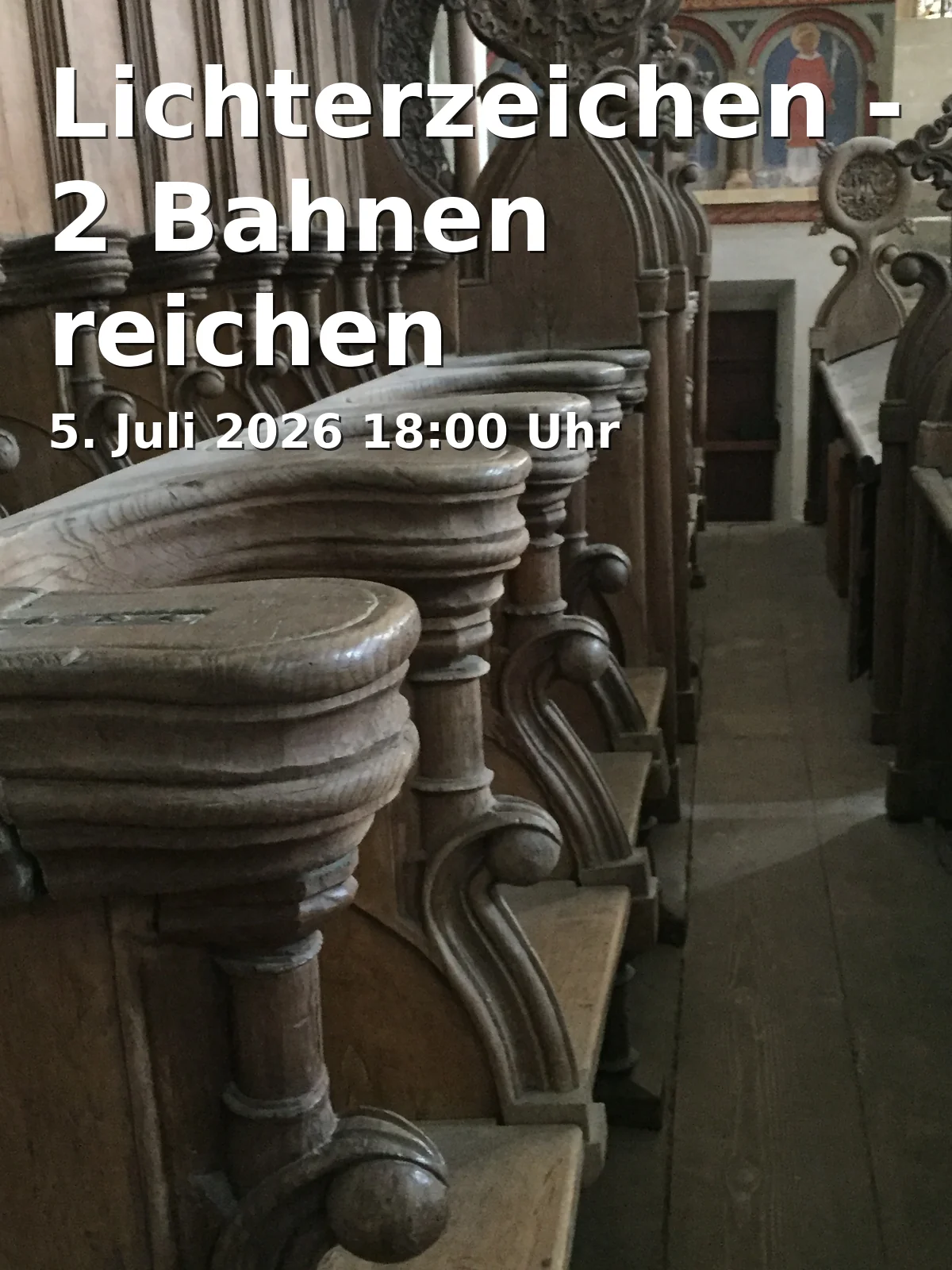
Lichterzeichen - 2 Tracks are sufficient
A quiet sign of hope on the Domberg Freising: Prayer for creation and climate protection, supported by community and faith. Free admission. #Freising #Prayer
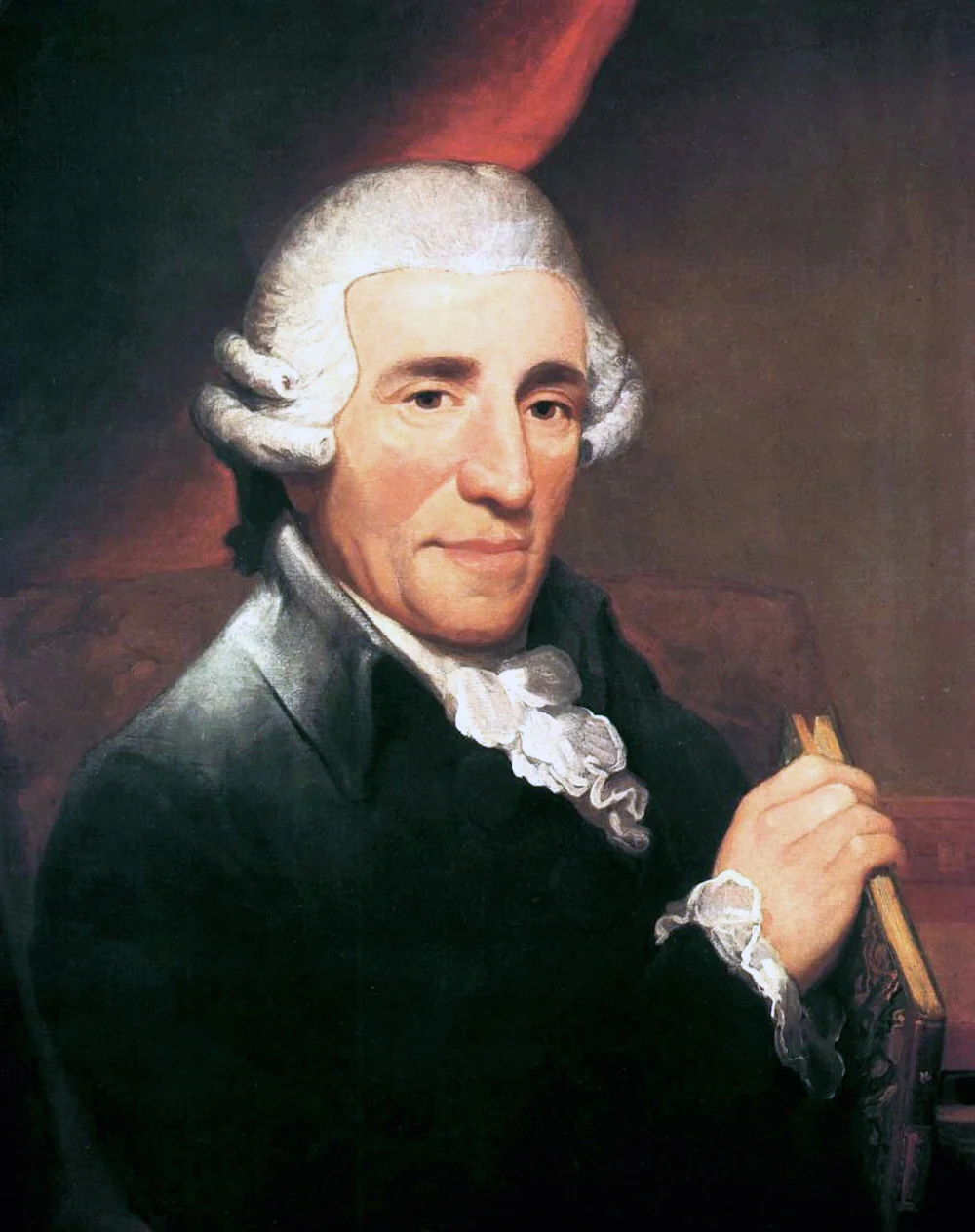
Paukenmesse in Freising Cathedral: Haydn Concert with Cathedral Choir and Cathedral Orchestra
A summer evening with Haydn's Paukenmesse in Freising Cathedral: grand church music, impressive spatial sound, and a festive choir-orchestra moment. #Freising #Classical
Frequently Asked Questions
Reviews
No reviews found