
Freising
85 Freising, Deutschland
Freising | Attractions & Train Station
Freising is a city that at first glance connects two worlds: the historically significant Cathedral Hill with its spiritual tradition and the Weihenstephan Hill with science, garden art, and brewing culture. Officially, Freising describes itself as the oldest city between Bolzano and Regensburg and as a place where old town charm, culture, research, and enjoyment are closely intertwined. Upon arrival, one quickly realizes that Freising is not just a destination for excursions, but also a vibrant place to live, work, and learn, with more than 50,000 inhabitants and a remarkable mix of historical depth, economic strength, and modern infrastructure. Between Marienplatz, Cathedral Hill, and Weihenstephan, short distances, strong impressions, and a cityscape characterized by church art, townhouses, gardens, and lively events emerge. This very mix makes Freising as interesting for visitors as it is for those specifically looking for attractions, train stations, parking options, restaurants, or current events. ([tourismus.freising.de](https://tourismus.freising.de/?utm_source=openai))
Attractions around Cathedral Hill and Old Town
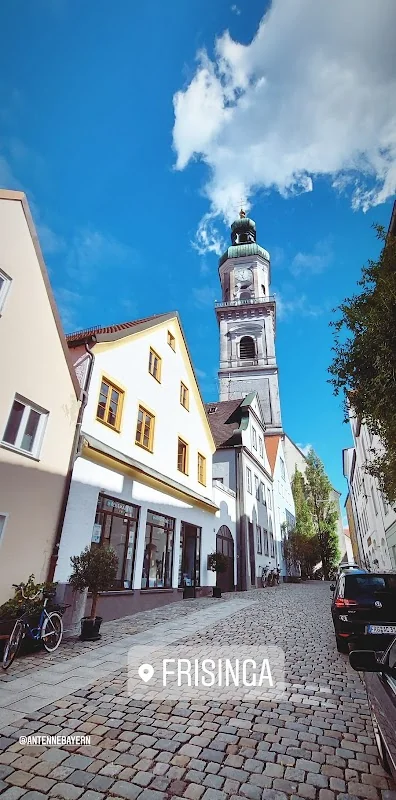
Cathedral Hill is the historical heart of Freising and continues to shape the cityscape today. From the bustling Old Town, it is just a short walk up to this former center of princely power and scholarship. Here stands the Freising Cathedral with its distinctive towers, the Romanesque beast column, and the Baroque furnishings, which are significantly associated with the Asam family. Cathedral Hill reminds us of more than 1,200 years of history as the seat of the Freising Prince-Bishops and of personalities such as Otto of Freising, who is considered an important historical thinker of the Middle Ages. The location is also special: between Cathedral Hill and Weihenstephan Hill lies the historical center with Marienplatz, the Town Hall, and narrow alleys where townhouses, craftsmen's houses, and small squares alternate. Those who explore the Old Town experience not only monuments but a developed urban structure that makes history visible. Additionally, nearby is the Freising Cathedral Hill with the Diocesan Museum, which presents art and cultural history in the tension between faith, art, and society. Thus, Freising becomes a place where architecture, spirituality, and urban history come together in a small space. ([tourismus.freising.de](https://tourismus.freising.de/sehenswert/domberg?utm_source=openai))
The special quality of these attractions lies in the fact that they do not appear as isolated individual monuments but are part of a walkable urban space. The historical center of Freising is designed so that one gains new perspectives from Marienplatz along the Lower Main Street up to Cathedral Hill. In the tourist presentation, the Old Town is described as a vibrant center where distinctive townhouses, former breweries, open watercourses, and hidden gardens mix. Particularly helpful for visitors is the view of the urban context: Cathedral Hill acts like an elevated place of tranquility, while the Old Town below pulsates with markets, gastronomy, and small shops. Additionally, the city points to a historically designed city model location in the Old Town, where the center can be understood in miniature. Therefore, those interested in Freising attractions not only find beautiful photo motifs here but also a compact, easily understandable access to the city's history. The fact that accessibility is considered in many places and orientation aids are available makes the visit pleasant and practical for different target groups. ([tourismus.freising.de](https://tourismus.freising.de/sehenswert/domberg?utm_source=openai))
Getting There, Train Station, and Parking in Freising
For getting there, the Freising train station is a central point. The city is located on the Munich–Regensburg railway line and is very well connected via the S-Bahn line S1 as well as regional train connections. According to the city portal, regional trains from Freising reach Munich, Landshut, Regensburg, Passau, Nuremberg, and Prague; additionally, the S-Bahn runs to Freising station and Pulling. Complementing this, there is a dense city bus network that connects the districts and important destinations within the city. Particularly useful for visitors is that a service center of Deutsche Bahn is also available at the train station. So, those arriving by train can comparatively easily reach Cathedral Hill, the city center, and Weihenstephan from there. For many guests, this good mix of long-distance and local mobility is a decisive advantage because Freising remains practical and well-connected despite its historical structure. ([freising.de](https://www.freising.de/leben-wohnen/mobilitaet-verkehrswende/oeffentlicher-nahverkehr?utm_source=openai))
Also, in terms of parking, Freising is surprisingly well-equipped for a developed city center. The city offers around 3,500 centrally located public parking spaces, along with individual parking spaces in the city center and a parking garage at Wörth / Cathedral Hill. The city and the city center management association refer to a special parking guide that clearly lists locations, opening hours, and prices. Additionally, new parking machines have been set up in the city area, where payment can be made both in cash and cashless via app. Those who want to reach Cathedral Hill barrier-free also benefit from the Cathedral Hill train, which has been operating since May 2024 between Bahnhofstraße and the Cathedral Hill plateau. This not only simplifies access to Cathedral Hill but also significantly improves the connection between the train station, Old Town, and the cultural institutions on the hill. This is an important practical advantage, especially for day visitors, families, and people with limited mobility. Freising demonstrates here that historical cities can be easily accessible today without losing their developed structure. ([freising.de](https://www.freising.de/leben-wohnen/mobilitaet-verkehrswende/parkplatzangebot?utm_source=openai))
Weihenstephan, Brewing Culture, and Restaurants
The Weihenstephan Hill is Freising's second major identity axis and a location with international appeal. The city describes Weihenstephan as a unique cluster in Europe, where teaching, science, research, technology, and tradition are closely intertwined. Among others, the TUM School of Life Sciences, the Weihenstephan-Triesdorf University, state institutions, and other research facilities are located here. At the same time, brewing tradition plays a prominent role: Freising refers to written sources on brewing beer dating back to 825, the historical connection to the monastery, and the still-existing traditional breweries Bayerische Staatsbrauerei Weihenstephan and Gräfliches Hofbrauhaus Freising. For visitors, this connection of campus, brewing art, and culture is particularly exciting because it shows how closely knowledge and enjoyment go hand in hand in Freising. The Weihenstephan location is therefore not only an academic center but also an important destination for all those interested in gardens, beer history, and scientifically influenced urban development. ([freising.de](https://www.freising.de/wirtschaft/weihenstephan?utm_source=openai))
In Freising, brewing culture also includes beer gardens and local hospitality. The tourism site describes the city as rich in inns, cafés, and cozy pubs; there are a total of four beer gardens where guests can bring and enjoy their own snacks. Mentioned are, among others, Bräustüberl Weihenstephan, Hofbrauhauskeller, Lindenkeller, and Waldgaststätte Plantage. This makes Freising interesting for anyone looking for a restaurant, a place to stop, or a typically Bavarian atmosphere. Additionally, there is a culinary specialty that has almost become legendary: Obazda is considered a Freising invention and is linked to the history of the Bräustüberl Weihenstephan. Therefore, those visiting the city in summer experience not only historical alleys and gardens but also a vibrant food and drink culture that is firmly anchored in the place. The interplay of universities, breweries, beer gardens, and gastronomy creates a city profile that clearly distinguishes Freising from many other cities in the region. ([tourismus.freising.de](https://tourismus.freising.de/sehenswert/braukultur/biergaerten-biergartengeschichten?utm_source=openai))
Events, Tickets, and Current City Life
Those looking for Freising news, events, or live impressions will find a very dense information offering on the official city pages. The city portal features an event calendar that consolidates exhibitions, concerts, readings, lectures, courses, festivals, and markets. The tourist information and ticket office of the city are located in ASAM at Marienplatz 7 and sell tickets for events via Reservix and München-Ticket. According to the official page, the team even helps find good seats and print tickets directly on-site. For guests, this is particularly convenient because city information, cultural programs, and ticket sales are concentrated in a well-known location. Additionally, the city regularly publishes current announcements and its webcams on Marienplatz and St. Georg provide an immediate view into the center. So, those who want to not only read about Freising but also observe it can follow the city center in live mode and simultaneously check the current dates in the calendar. Thus, a simple location search quickly becomes a very practical entry into city life. ([tourismus.freising.de](https://tourismus.freising.de/en/events-tickets?utm_source=openai))
Throughout the year, Freising has several fixed highlights that continually refresh the cityscape. Particularly well-known are the Day of Beer at the end of April, the Old Town Festival in summer, the Weihenstephan Hill Festival, and the folk festival in September. These festivals are closely linked to brewing culture, the city center, and public life, showcasing how strongly community and tradition interact in Freising. At the same time, the city also informs about culture, transport, youth, family, climate, and other areas, so that current announcements do not only revolve around festivals. Those looking for elections, official announcements, or official results will also find them in the town hall portal and the city's election portal. This makes Freising suitable not only as a travel destination but also as a place that can be accompanied and experienced from everyday life. Particularly for search intents like Freising live or Freising news, this mix of event pages, official information, and current news is particularly strong. It makes clear that the city is very present online and keeps many practical tips accessible at all times. ([tourismus.freising.de](https://tourismus.freising.de/sehenswert/braukultur/bierfest-kalender?utm_source=openai))
Freising as an Economic, Educational, and Garden City
Freising is not only historically significant but also very strong economically and educationally. The city portal describes Freising as one of the youngest and economically strongest cities in Bavaria. The homepage mentions an average age of 40.4 years, a purchasing power index of 114.4, and 39,111 employees subject to social security contributions. At the same time, the city emphasizes that Freising is a city of schools and universities, a science and business location, a cathedral and bishop city, as well as a place of residence for more than 50,000 inhabitants. These figures and terms are as important for the search intent Freising inhabitants as they are for anyone interested in location quality, urban development, and quality of life. The connection of universities, research, crafts, trade, and administration makes Freising a place where tradition and future do not contradict but complement each other. Particularly, Weihenstephan contributes with its competence cluster, research facilities, and international contacts to the fact that the city is perceived as an innovative location beyond the region. ([freising.de](https://www.freising.de/?utm_source=openai))
At the same time, Freising remains an exceptionally green city. The city refers to the Isar floodplain, the Moosach, the Fürstendamm, and the Rose Garden as places of relaxation. In the tourist presentation, Freising is described as a city of roses and gardens; even the official title 'City of Roses' is highlighted. The Weihenstephan Gardens, the Court Garden, the Parterre Garden, and the Display Garden show how strongly garden art and science intertwine here. The picture is complemented by the Old Town, the historical paths, and the many opportunities for walks between the city center, Cathedral Hill, and Weihenstephan. Therefore, those who want to visit Freising get not only a city with attractions but also a place where culture, leisure, nature, and urban development can be experienced in close proximity. This very combination of water, greenery, history, and urban density makes Freising attractive for both guests and residents. It also explains why Freising performs so well in search queries related to attractions, brewing culture, train station, restaurant, news, and events. ([freising.de](https://www.freising.de/kultur-freizeit?utm_source=openai))
Sources:
- Tourism City Freising - Homepage ([tourismus.freising.de](https://tourismus.freising.de/?utm_source=openai))
- Tourism City Freising - Attractions ([tourismus.freising.de](https://tourismus.freising.de/en/sights?utm_source=openai))
- Tourism City Freising - Getting Here & Parking ([tourismus.freising.de](https://tourismus.freising.de/en/service/getting-here-parking?utm_source=openai))
- Tourism City Freising - Events & Tickets ([tourismus.freising.de](https://tourismus.freising.de/en/events-tickets?utm_source=openai))
- City of Freising - Official Online Portal ([freising.de](https://www.freising.de/?utm_source=openai))
Mehr anzeigenWeniger anzeigen
Freising | Attractions & Train Station
Freising is a city that at first glance connects two worlds: the historically significant Cathedral Hill with its spiritual tradition and the Weihenstephan Hill with science, garden art, and brewing culture. Officially, Freising describes itself as the oldest city between Bolzano and Regensburg and as a place where old town charm, culture, research, and enjoyment are closely intertwined. Upon arrival, one quickly realizes that Freising is not just a destination for excursions, but also a vibrant place to live, work, and learn, with more than 50,000 inhabitants and a remarkable mix of historical depth, economic strength, and modern infrastructure. Between Marienplatz, Cathedral Hill, and Weihenstephan, short distances, strong impressions, and a cityscape characterized by church art, townhouses, gardens, and lively events emerge. This very mix makes Freising as interesting for visitors as it is for those specifically looking for attractions, train stations, parking options, restaurants, or current events. ([tourismus.freising.de](https://tourismus.freising.de/?utm_source=openai))
Attractions around Cathedral Hill and Old Town
Cathedral Hill is the historical heart of Freising and continues to shape the cityscape today. From the bustling Old Town, it is just a short walk up to this former center of princely power and scholarship. Here stands the Freising Cathedral with its distinctive towers, the Romanesque beast column, and the Baroque furnishings, which are significantly associated with the Asam family. Cathedral Hill reminds us of more than 1,200 years of history as the seat of the Freising Prince-Bishops and of personalities such as Otto of Freising, who is considered an important historical thinker of the Middle Ages. The location is also special: between Cathedral Hill and Weihenstephan Hill lies the historical center with Marienplatz, the Town Hall, and narrow alleys where townhouses, craftsmen's houses, and small squares alternate. Those who explore the Old Town experience not only monuments but a developed urban structure that makes history visible. Additionally, nearby is the Freising Cathedral Hill with the Diocesan Museum, which presents art and cultural history in the tension between faith, art, and society. Thus, Freising becomes a place where architecture, spirituality, and urban history come together in a small space. ([tourismus.freising.de](https://tourismus.freising.de/sehenswert/domberg?utm_source=openai))
The special quality of these attractions lies in the fact that they do not appear as isolated individual monuments but are part of a walkable urban space. The historical center of Freising is designed so that one gains new perspectives from Marienplatz along the Lower Main Street up to Cathedral Hill. In the tourist presentation, the Old Town is described as a vibrant center where distinctive townhouses, former breweries, open watercourses, and hidden gardens mix. Particularly helpful for visitors is the view of the urban context: Cathedral Hill acts like an elevated place of tranquility, while the Old Town below pulsates with markets, gastronomy, and small shops. Additionally, the city points to a historically designed city model location in the Old Town, where the center can be understood in miniature. Therefore, those interested in Freising attractions not only find beautiful photo motifs here but also a compact, easily understandable access to the city's history. The fact that accessibility is considered in many places and orientation aids are available makes the visit pleasant and practical for different target groups. ([tourismus.freising.de](https://tourismus.freising.de/sehenswert/domberg?utm_source=openai))
Getting There, Train Station, and Parking in Freising
For getting there, the Freising train station is a central point. The city is located on the Munich–Regensburg railway line and is very well connected via the S-Bahn line S1 as well as regional train connections. According to the city portal, regional trains from Freising reach Munich, Landshut, Regensburg, Passau, Nuremberg, and Prague; additionally, the S-Bahn runs to Freising station and Pulling. Complementing this, there is a dense city bus network that connects the districts and important destinations within the city. Particularly useful for visitors is that a service center of Deutsche Bahn is also available at the train station. So, those arriving by train can comparatively easily reach Cathedral Hill, the city center, and Weihenstephan from there. For many guests, this good mix of long-distance and local mobility is a decisive advantage because Freising remains practical and well-connected despite its historical structure. ([freising.de](https://www.freising.de/leben-wohnen/mobilitaet-verkehrswende/oeffentlicher-nahverkehr?utm_source=openai))
Also, in terms of parking, Freising is surprisingly well-equipped for a developed city center. The city offers around 3,500 centrally located public parking spaces, along with individual parking spaces in the city center and a parking garage at Wörth / Cathedral Hill. The city and the city center management association refer to a special parking guide that clearly lists locations, opening hours, and prices. Additionally, new parking machines have been set up in the city area, where payment can be made both in cash and cashless via app. Those who want to reach Cathedral Hill barrier-free also benefit from the Cathedral Hill train, which has been operating since May 2024 between Bahnhofstraße and the Cathedral Hill plateau. This not only simplifies access to Cathedral Hill but also significantly improves the connection between the train station, Old Town, and the cultural institutions on the hill. This is an important practical advantage, especially for day visitors, families, and people with limited mobility. Freising demonstrates here that historical cities can be easily accessible today without losing their developed structure. ([freising.de](https://www.freising.de/leben-wohnen/mobilitaet-verkehrswende/parkplatzangebot?utm_source=openai))
Weihenstephan, Brewing Culture, and Restaurants
The Weihenstephan Hill is Freising's second major identity axis and a location with international appeal. The city describes Weihenstephan as a unique cluster in Europe, where teaching, science, research, technology, and tradition are closely intertwined. Among others, the TUM School of Life Sciences, the Weihenstephan-Triesdorf University, state institutions, and other research facilities are located here. At the same time, brewing tradition plays a prominent role: Freising refers to written sources on brewing beer dating back to 825, the historical connection to the monastery, and the still-existing traditional breweries Bayerische Staatsbrauerei Weihenstephan and Gräfliches Hofbrauhaus Freising. For visitors, this connection of campus, brewing art, and culture is particularly exciting because it shows how closely knowledge and enjoyment go hand in hand in Freising. The Weihenstephan location is therefore not only an academic center but also an important destination for all those interested in gardens, beer history, and scientifically influenced urban development. ([freising.de](https://www.freising.de/wirtschaft/weihenstephan?utm_source=openai))
In Freising, brewing culture also includes beer gardens and local hospitality. The tourism site describes the city as rich in inns, cafés, and cozy pubs; there are a total of four beer gardens where guests can bring and enjoy their own snacks. Mentioned are, among others, Bräustüberl Weihenstephan, Hofbrauhauskeller, Lindenkeller, and Waldgaststätte Plantage. This makes Freising interesting for anyone looking for a restaurant, a place to stop, or a typically Bavarian atmosphere. Additionally, there is a culinary specialty that has almost become legendary: Obazda is considered a Freising invention and is linked to the history of the Bräustüberl Weihenstephan. Therefore, those visiting the city in summer experience not only historical alleys and gardens but also a vibrant food and drink culture that is firmly anchored in the place. The interplay of universities, breweries, beer gardens, and gastronomy creates a city profile that clearly distinguishes Freising from many other cities in the region. ([tourismus.freising.de](https://tourismus.freising.de/sehenswert/braukultur/biergaerten-biergartengeschichten?utm_source=openai))
Events, Tickets, and Current City Life
Those looking for Freising news, events, or live impressions will find a very dense information offering on the official city pages. The city portal features an event calendar that consolidates exhibitions, concerts, readings, lectures, courses, festivals, and markets. The tourist information and ticket office of the city are located in ASAM at Marienplatz 7 and sell tickets for events via Reservix and München-Ticket. According to the official page, the team even helps find good seats and print tickets directly on-site. For guests, this is particularly convenient because city information, cultural programs, and ticket sales are concentrated in a well-known location. Additionally, the city regularly publishes current announcements and its webcams on Marienplatz and St. Georg provide an immediate view into the center. So, those who want to not only read about Freising but also observe it can follow the city center in live mode and simultaneously check the current dates in the calendar. Thus, a simple location search quickly becomes a very practical entry into city life. ([tourismus.freising.de](https://tourismus.freising.de/en/events-tickets?utm_source=openai))
Throughout the year, Freising has several fixed highlights that continually refresh the cityscape. Particularly well-known are the Day of Beer at the end of April, the Old Town Festival in summer, the Weihenstephan Hill Festival, and the folk festival in September. These festivals are closely linked to brewing culture, the city center, and public life, showcasing how strongly community and tradition interact in Freising. At the same time, the city also informs about culture, transport, youth, family, climate, and other areas, so that current announcements do not only revolve around festivals. Those looking for elections, official announcements, or official results will also find them in the town hall portal and the city's election portal. This makes Freising suitable not only as a travel destination but also as a place that can be accompanied and experienced from everyday life. Particularly for search intents like Freising live or Freising news, this mix of event pages, official information, and current news is particularly strong. It makes clear that the city is very present online and keeps many practical tips accessible at all times. ([tourismus.freising.de](https://tourismus.freising.de/sehenswert/braukultur/bierfest-kalender?utm_source=openai))
Freising as an Economic, Educational, and Garden City
Freising is not only historically significant but also very strong economically and educationally. The city portal describes Freising as one of the youngest and economically strongest cities in Bavaria. The homepage mentions an average age of 40.4 years, a purchasing power index of 114.4, and 39,111 employees subject to social security contributions. At the same time, the city emphasizes that Freising is a city of schools and universities, a science and business location, a cathedral and bishop city, as well as a place of residence for more than 50,000 inhabitants. These figures and terms are as important for the search intent Freising inhabitants as they are for anyone interested in location quality, urban development, and quality of life. The connection of universities, research, crafts, trade, and administration makes Freising a place where tradition and future do not contradict but complement each other. Particularly, Weihenstephan contributes with its competence cluster, research facilities, and international contacts to the fact that the city is perceived as an innovative location beyond the region. ([freising.de](https://www.freising.de/?utm_source=openai))
At the same time, Freising remains an exceptionally green city. The city refers to the Isar floodplain, the Moosach, the Fürstendamm, and the Rose Garden as places of relaxation. In the tourist presentation, Freising is described as a city of roses and gardens; even the official title 'City of Roses' is highlighted. The Weihenstephan Gardens, the Court Garden, the Parterre Garden, and the Display Garden show how strongly garden art and science intertwine here. The picture is complemented by the Old Town, the historical paths, and the many opportunities for walks between the city center, Cathedral Hill, and Weihenstephan. Therefore, those who want to visit Freising get not only a city with attractions but also a place where culture, leisure, nature, and urban development can be experienced in close proximity. This very combination of water, greenery, history, and urban density makes Freising attractive for both guests and residents. It also explains why Freising performs so well in search queries related to attractions, brewing culture, train station, restaurant, news, and events. ([freising.de](https://www.freising.de/kultur-freizeit?utm_source=openai))
Sources:
- Tourism City Freising - Homepage ([tourismus.freising.de](https://tourismus.freising.de/?utm_source=openai))
- Tourism City Freising - Attractions ([tourismus.freising.de](https://tourismus.freising.de/en/sights?utm_source=openai))
- Tourism City Freising - Getting Here & Parking ([tourismus.freising.de](https://tourismus.freising.de/en/service/getting-here-parking?utm_source=openai))
- Tourism City Freising - Events & Tickets ([tourismus.freising.de](https://tourismus.freising.de/en/events-tickets?utm_source=openai))
- City of Freising - Official Online Portal ([freising.de](https://www.freising.de/?utm_source=openai))
Freising | Attractions & Train Station
Freising is a city that at first glance connects two worlds: the historically significant Cathedral Hill with its spiritual tradition and the Weihenstephan Hill with science, garden art, and brewing culture. Officially, Freising describes itself as the oldest city between Bolzano and Regensburg and as a place where old town charm, culture, research, and enjoyment are closely intertwined. Upon arrival, one quickly realizes that Freising is not just a destination for excursions, but also a vibrant place to live, work, and learn, with more than 50,000 inhabitants and a remarkable mix of historical depth, economic strength, and modern infrastructure. Between Marienplatz, Cathedral Hill, and Weihenstephan, short distances, strong impressions, and a cityscape characterized by church art, townhouses, gardens, and lively events emerge. This very mix makes Freising as interesting for visitors as it is for those specifically looking for attractions, train stations, parking options, restaurants, or current events. ([tourismus.freising.de](https://tourismus.freising.de/?utm_source=openai))
Attractions around Cathedral Hill and Old Town
Cathedral Hill is the historical heart of Freising and continues to shape the cityscape today. From the bustling Old Town, it is just a short walk up to this former center of princely power and scholarship. Here stands the Freising Cathedral with its distinctive towers, the Romanesque beast column, and the Baroque furnishings, which are significantly associated with the Asam family. Cathedral Hill reminds us of more than 1,200 years of history as the seat of the Freising Prince-Bishops and of personalities such as Otto of Freising, who is considered an important historical thinker of the Middle Ages. The location is also special: between Cathedral Hill and Weihenstephan Hill lies the historical center with Marienplatz, the Town Hall, and narrow alleys where townhouses, craftsmen's houses, and small squares alternate. Those who explore the Old Town experience not only monuments but a developed urban structure that makes history visible. Additionally, nearby is the Freising Cathedral Hill with the Diocesan Museum, which presents art and cultural history in the tension between faith, art, and society. Thus, Freising becomes a place where architecture, spirituality, and urban history come together in a small space. ([tourismus.freising.de](https://tourismus.freising.de/sehenswert/domberg?utm_source=openai))
The special quality of these attractions lies in the fact that they do not appear as isolated individual monuments but are part of a walkable urban space. The historical center of Freising is designed so that one gains new perspectives from Marienplatz along the Lower Main Street up to Cathedral Hill. In the tourist presentation, the Old Town is described as a vibrant center where distinctive townhouses, former breweries, open watercourses, and hidden gardens mix. Particularly helpful for visitors is the view of the urban context: Cathedral Hill acts like an elevated place of tranquility, while the Old Town below pulsates with markets, gastronomy, and small shops. Additionally, the city points to a historically designed city model location in the Old Town, where the center can be understood in miniature. Therefore, those interested in Freising attractions not only find beautiful photo motifs here but also a compact, easily understandable access to the city's history. The fact that accessibility is considered in many places and orientation aids are available makes the visit pleasant and practical for different target groups. ([tourismus.freising.de](https://tourismus.freising.de/sehenswert/domberg?utm_source=openai))
Getting There, Train Station, and Parking in Freising
For getting there, the Freising train station is a central point. The city is located on the Munich–Regensburg railway line and is very well connected via the S-Bahn line S1 as well as regional train connections. According to the city portal, regional trains from Freising reach Munich, Landshut, Regensburg, Passau, Nuremberg, and Prague; additionally, the S-Bahn runs to Freising station and Pulling. Complementing this, there is a dense city bus network that connects the districts and important destinations within the city. Particularly useful for visitors is that a service center of Deutsche Bahn is also available at the train station. So, those arriving by train can comparatively easily reach Cathedral Hill, the city center, and Weihenstephan from there. For many guests, this good mix of long-distance and local mobility is a decisive advantage because Freising remains practical and well-connected despite its historical structure. ([freising.de](https://www.freising.de/leben-wohnen/mobilitaet-verkehrswende/oeffentlicher-nahverkehr?utm_source=openai))
Also, in terms of parking, Freising is surprisingly well-equipped for a developed city center. The city offers around 3,500 centrally located public parking spaces, along with individual parking spaces in the city center and a parking garage at Wörth / Cathedral Hill. The city and the city center management association refer to a special parking guide that clearly lists locations, opening hours, and prices. Additionally, new parking machines have been set up in the city area, where payment can be made both in cash and cashless via app. Those who want to reach Cathedral Hill barrier-free also benefit from the Cathedral Hill train, which has been operating since May 2024 between Bahnhofstraße and the Cathedral Hill plateau. This not only simplifies access to Cathedral Hill but also significantly improves the connection between the train station, Old Town, and the cultural institutions on the hill. This is an important practical advantage, especially for day visitors, families, and people with limited mobility. Freising demonstrates here that historical cities can be easily accessible today without losing their developed structure. ([freising.de](https://www.freising.de/leben-wohnen/mobilitaet-verkehrswende/parkplatzangebot?utm_source=openai))
Weihenstephan, Brewing Culture, and Restaurants
The Weihenstephan Hill is Freising's second major identity axis and a location with international appeal. The city describes Weihenstephan as a unique cluster in Europe, where teaching, science, research, technology, and tradition are closely intertwined. Among others, the TUM School of Life Sciences, the Weihenstephan-Triesdorf University, state institutions, and other research facilities are located here. At the same time, brewing tradition plays a prominent role: Freising refers to written sources on brewing beer dating back to 825, the historical connection to the monastery, and the still-existing traditional breweries Bayerische Staatsbrauerei Weihenstephan and Gräfliches Hofbrauhaus Freising. For visitors, this connection of campus, brewing art, and culture is particularly exciting because it shows how closely knowledge and enjoyment go hand in hand in Freising. The Weihenstephan location is therefore not only an academic center but also an important destination for all those interested in gardens, beer history, and scientifically influenced urban development. ([freising.de](https://www.freising.de/wirtschaft/weihenstephan?utm_source=openai))
In Freising, brewing culture also includes beer gardens and local hospitality. The tourism site describes the city as rich in inns, cafés, and cozy pubs; there are a total of four beer gardens where guests can bring and enjoy their own snacks. Mentioned are, among others, Bräustüberl Weihenstephan, Hofbrauhauskeller, Lindenkeller, and Waldgaststätte Plantage. This makes Freising interesting for anyone looking for a restaurant, a place to stop, or a typically Bavarian atmosphere. Additionally, there is a culinary specialty that has almost become legendary: Obazda is considered a Freising invention and is linked to the history of the Bräustüberl Weihenstephan. Therefore, those visiting the city in summer experience not only historical alleys and gardens but also a vibrant food and drink culture that is firmly anchored in the place. The interplay of universities, breweries, beer gardens, and gastronomy creates a city profile that clearly distinguishes Freising from many other cities in the region. ([tourismus.freising.de](https://tourismus.freising.de/sehenswert/braukultur/biergaerten-biergartengeschichten?utm_source=openai))
Events, Tickets, and Current City Life
Those looking for Freising news, events, or live impressions will find a very dense information offering on the official city pages. The city portal features an event calendar that consolidates exhibitions, concerts, readings, lectures, courses, festivals, and markets. The tourist information and ticket office of the city are located in ASAM at Marienplatz 7 and sell tickets for events via Reservix and München-Ticket. According to the official page, the team even helps find good seats and print tickets directly on-site. For guests, this is particularly convenient because city information, cultural programs, and ticket sales are concentrated in a well-known location. Additionally, the city regularly publishes current announcements and its webcams on Marienplatz and St. Georg provide an immediate view into the center. So, those who want to not only read about Freising but also observe it can follow the city center in live mode and simultaneously check the current dates in the calendar. Thus, a simple location search quickly becomes a very practical entry into city life. ([tourismus.freising.de](https://tourismus.freising.de/en/events-tickets?utm_source=openai))
Throughout the year, Freising has several fixed highlights that continually refresh the cityscape. Particularly well-known are the Day of Beer at the end of April, the Old Town Festival in summer, the Weihenstephan Hill Festival, and the folk festival in September. These festivals are closely linked to brewing culture, the city center, and public life, showcasing how strongly community and tradition interact in Freising. At the same time, the city also informs about culture, transport, youth, family, climate, and other areas, so that current announcements do not only revolve around festivals. Those looking for elections, official announcements, or official results will also find them in the town hall portal and the city's election portal. This makes Freising suitable not only as a travel destination but also as a place that can be accompanied and experienced from everyday life. Particularly for search intents like Freising live or Freising news, this mix of event pages, official information, and current news is particularly strong. It makes clear that the city is very present online and keeps many practical tips accessible at all times. ([tourismus.freising.de](https://tourismus.freising.de/sehenswert/braukultur/bierfest-kalender?utm_source=openai))
Freising as an Economic, Educational, and Garden City
Freising is not only historically significant but also very strong economically and educationally. The city portal describes Freising as one of the youngest and economically strongest cities in Bavaria. The homepage mentions an average age of 40.4 years, a purchasing power index of 114.4, and 39,111 employees subject to social security contributions. At the same time, the city emphasizes that Freising is a city of schools and universities, a science and business location, a cathedral and bishop city, as well as a place of residence for more than 50,000 inhabitants. These figures and terms are as important for the search intent Freising inhabitants as they are for anyone interested in location quality, urban development, and quality of life. The connection of universities, research, crafts, trade, and administration makes Freising a place where tradition and future do not contradict but complement each other. Particularly, Weihenstephan contributes with its competence cluster, research facilities, and international contacts to the fact that the city is perceived as an innovative location beyond the region. ([freising.de](https://www.freising.de/?utm_source=openai))
At the same time, Freising remains an exceptionally green city. The city refers to the Isar floodplain, the Moosach, the Fürstendamm, and the Rose Garden as places of relaxation. In the tourist presentation, Freising is described as a city of roses and gardens; even the official title 'City of Roses' is highlighted. The Weihenstephan Gardens, the Court Garden, the Parterre Garden, and the Display Garden show how strongly garden art and science intertwine here. The picture is complemented by the Old Town, the historical paths, and the many opportunities for walks between the city center, Cathedral Hill, and Weihenstephan. Therefore, those who want to visit Freising get not only a city with attractions but also a place where culture, leisure, nature, and urban development can be experienced in close proximity. This very combination of water, greenery, history, and urban density makes Freising attractive for both guests and residents. It also explains why Freising performs so well in search queries related to attractions, brewing culture, train station, restaurant, news, and events. ([freising.de](https://www.freising.de/kultur-freizeit?utm_source=openai))
Sources:
- Tourism City Freising - Homepage ([tourismus.freising.de](https://tourismus.freising.de/?utm_source=openai))
- Tourism City Freising - Attractions ([tourismus.freising.de](https://tourismus.freising.de/en/sights?utm_source=openai))
- Tourism City Freising - Getting Here & Parking ([tourismus.freising.de](https://tourismus.freising.de/en/service/getting-here-parking?utm_source=openai))
- Tourism City Freising - Events & Tickets ([tourismus.freising.de](https://tourismus.freising.de/en/events-tickets?utm_source=openai))
- City of Freising - Official Online Portal ([freising.de](https://www.freising.de/?utm_source=openai))
Upcoming Events
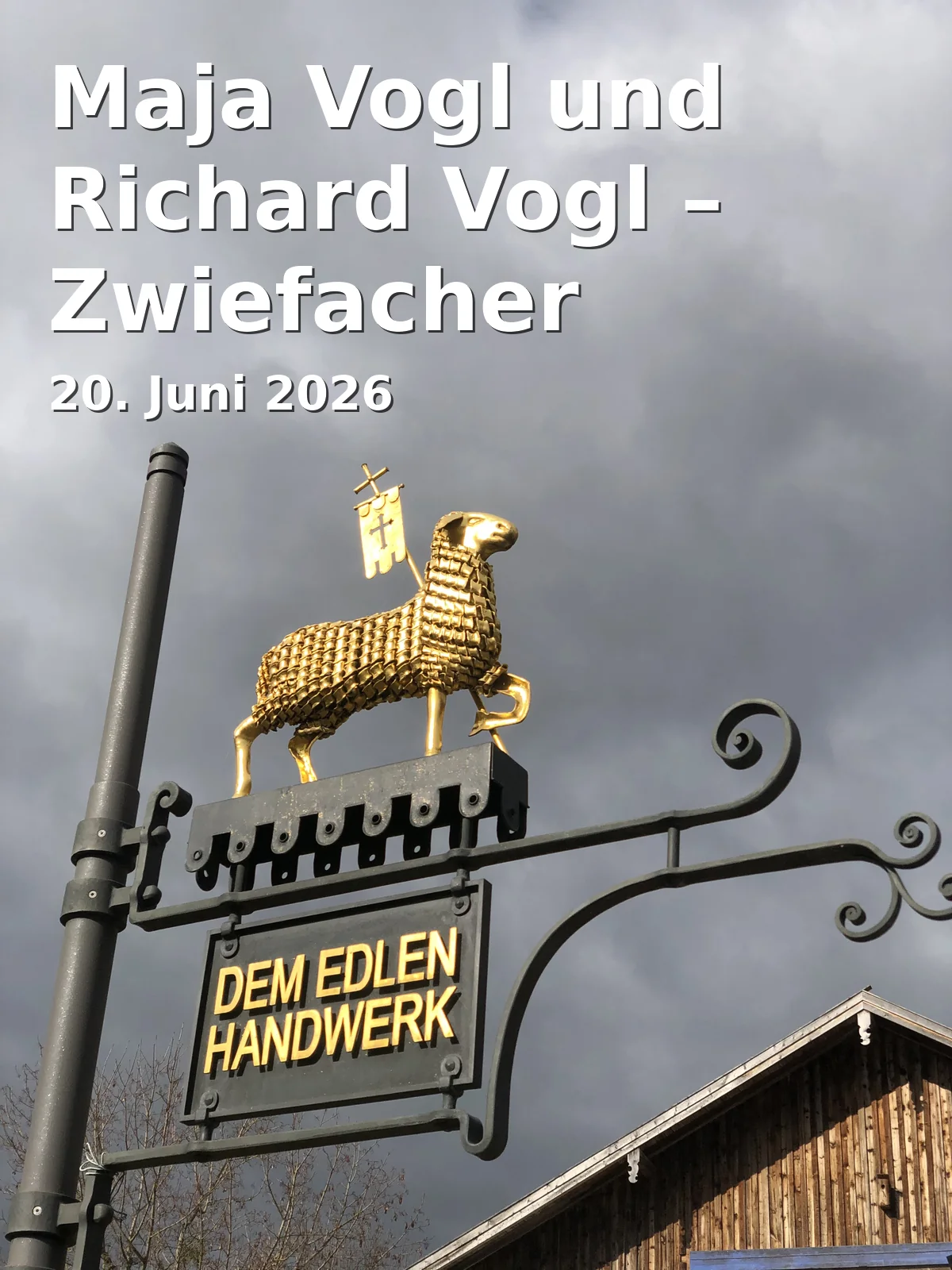
Maja Vogl and Richard Vogl – Zwiefacher
Colorful woven art meets painting: Zwiefacher in the galerie 13 Freising presents Maja and Richard Vogl in an exciting dialogue. Free admission. #Freising #Art
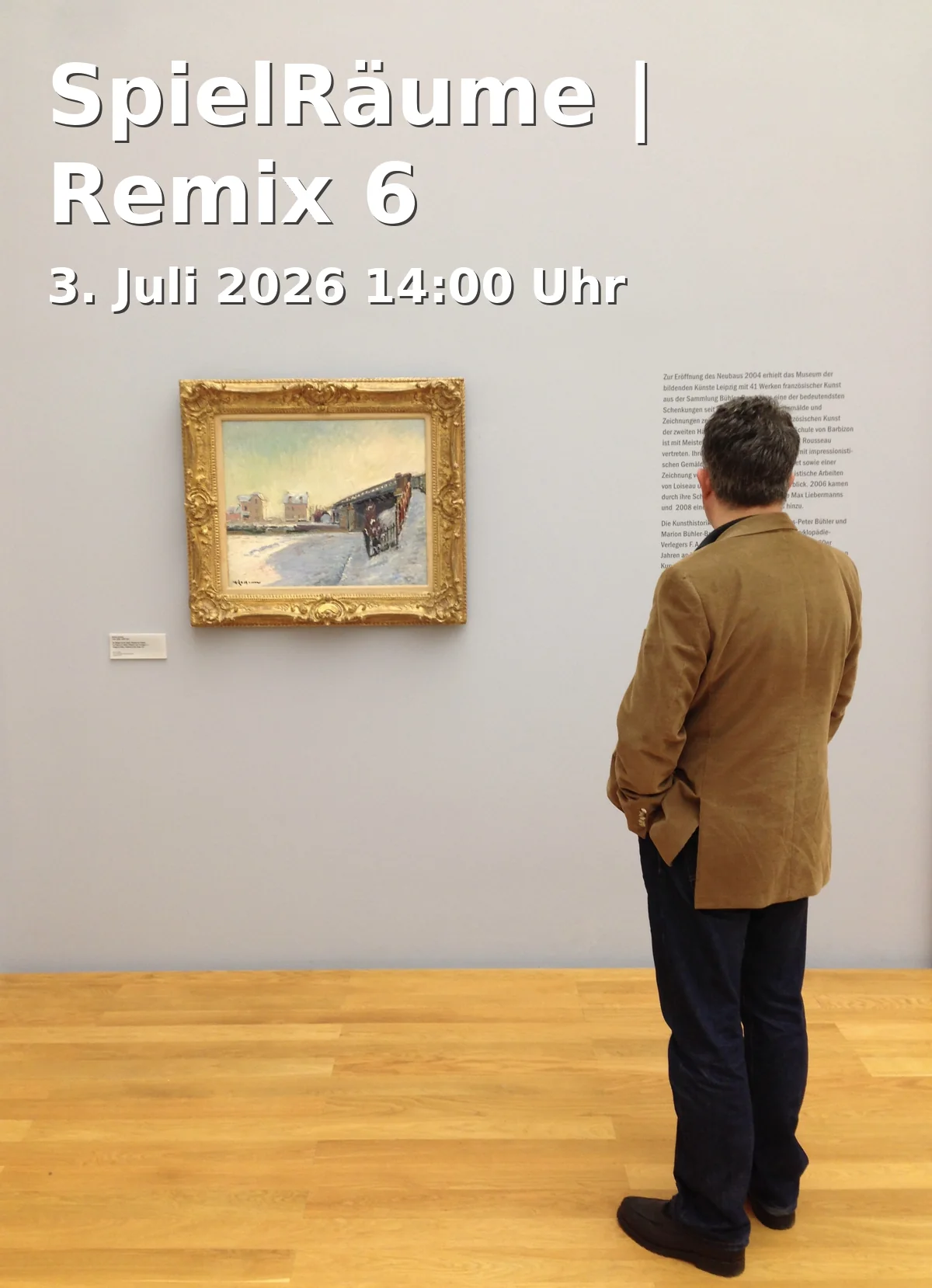
PlaySpaces | Remix 6
Two artists, an intriguing space for thought: PlaySpaces | Remix 6 at Schafhof Freising invites you to art, chance, and atmosphere. Free admission. #Art
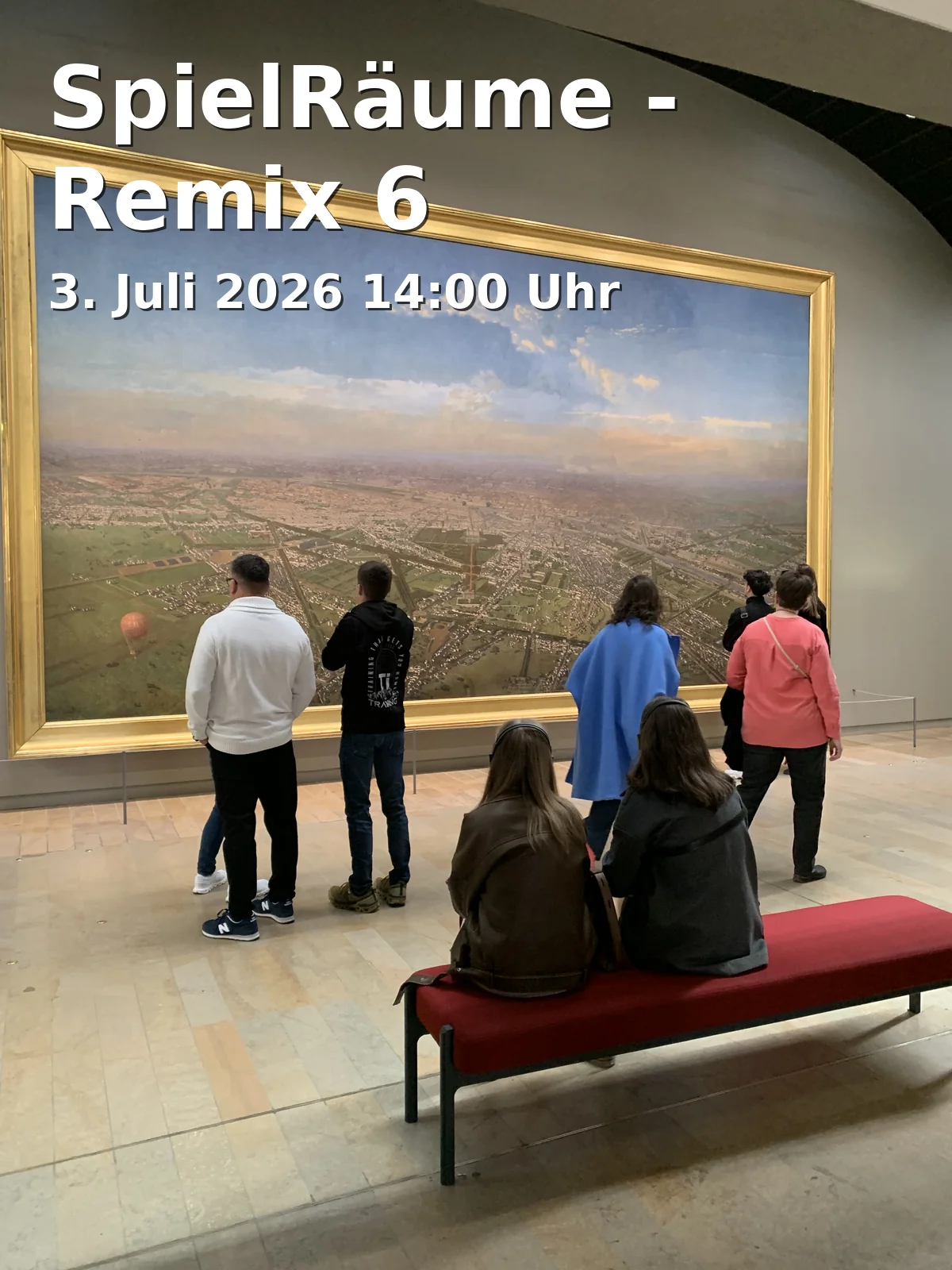
PlaySpaces - Remix 6
PlaySpaces at Schafhof Freising: A tandem exhibition about space, chance, and artistic tension. July 3 - September 6, 2026, free admission. #Art
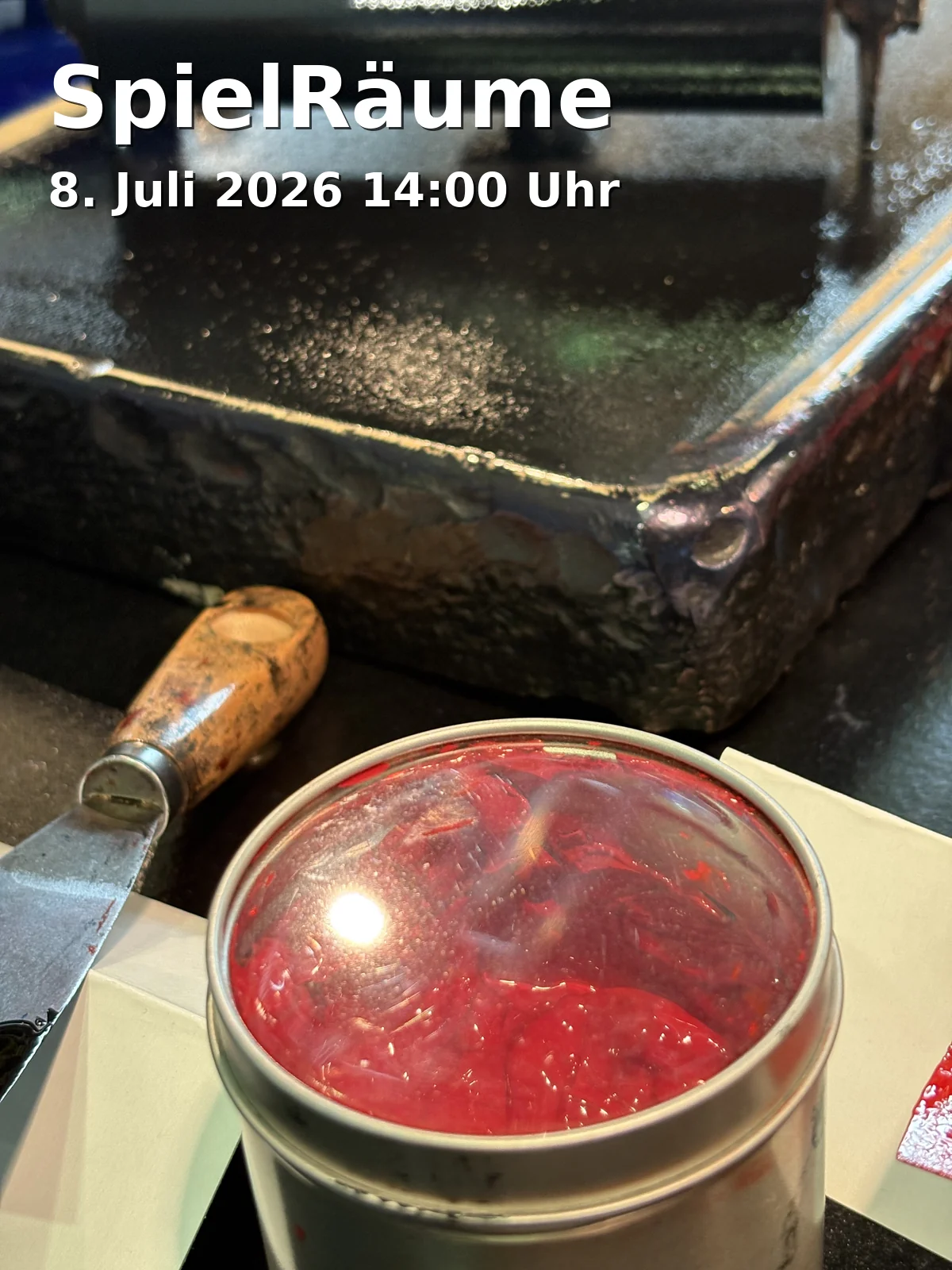
PlaySpaces
An art event full of tension: PlaySpaces at Schafhof Freising combines installation, performance, and spatial sensation. Free admission. #Art
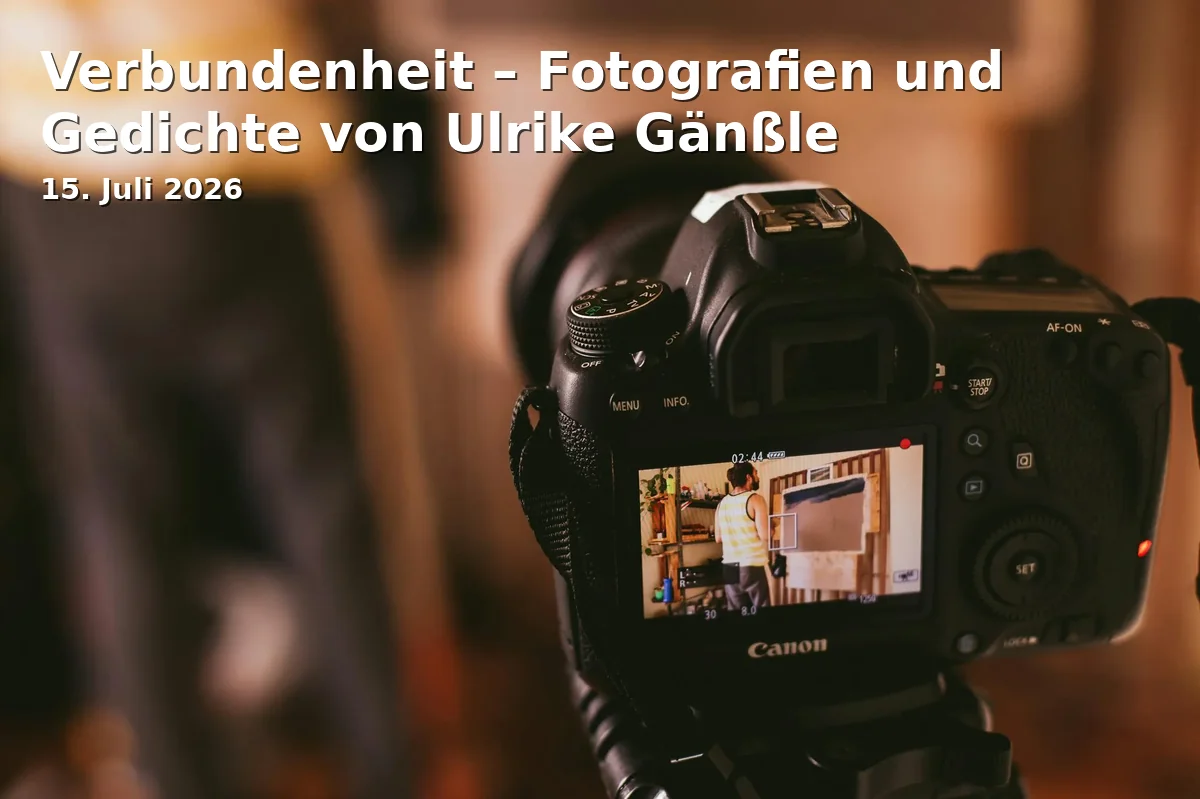
Connectedness – Photographs and Poems by Ulrike Gänßle
Photography meets Poetry: Connectedness by Ulrike Gänßle showcases quiet nature moments, light, and presence in Freising. July 15 – September 8, 2026, free admission. #Art #Freising

Connectedness - Photographs and Poems by Ulrike Gänßle
Freising showcases quiet art with great impact: Photographs and poems by Ulrike Gänßle touch with light, details, and poetry. Free admission. #Art
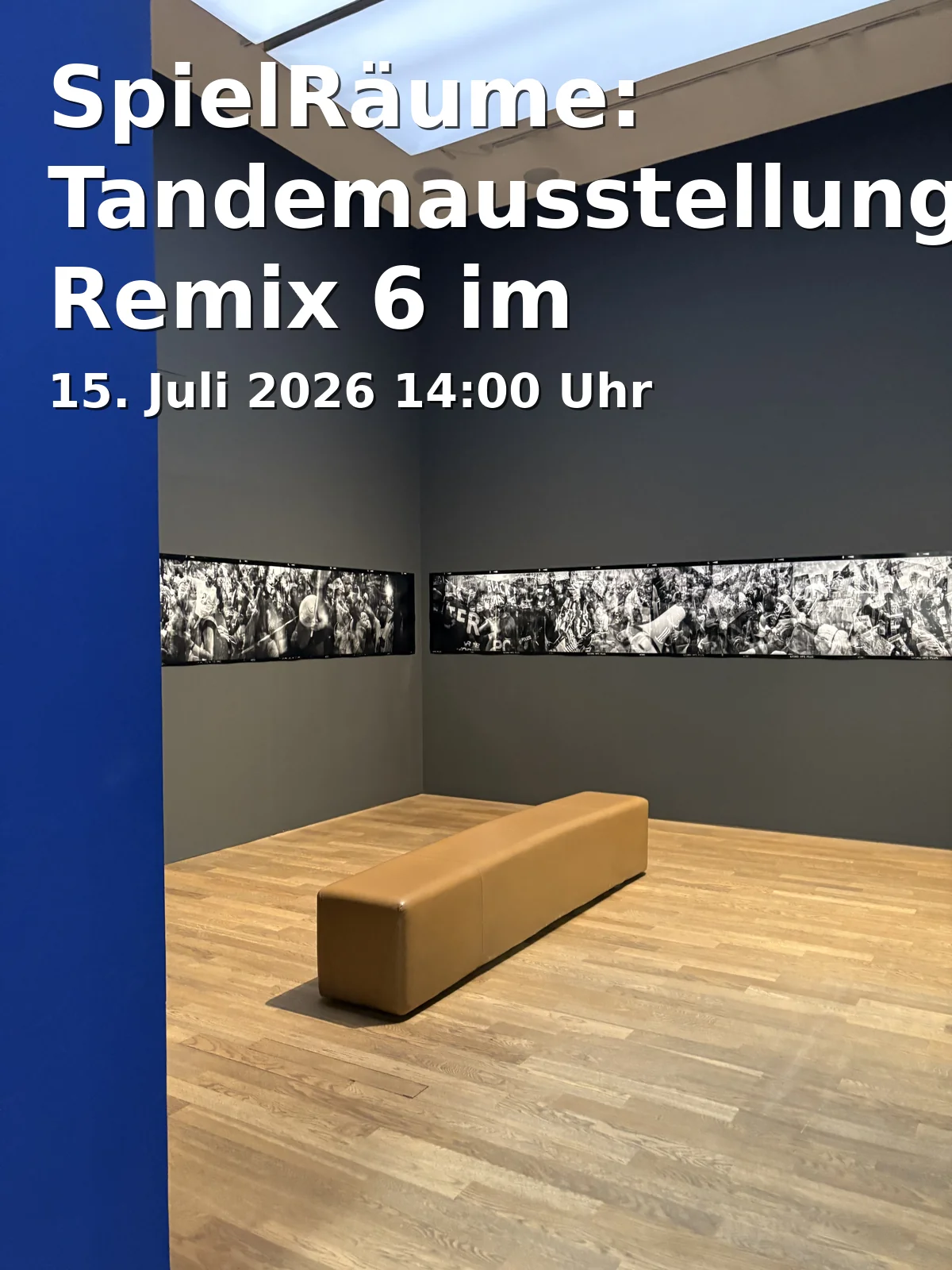
PlaySpaces: Tandem Exhibition Remix 6 at Schafhof Freising
PlaySpaces at Schafhof Freising: Two artists, a space full of tension, sound, and materiality. Free admission, barrier-free. #Art
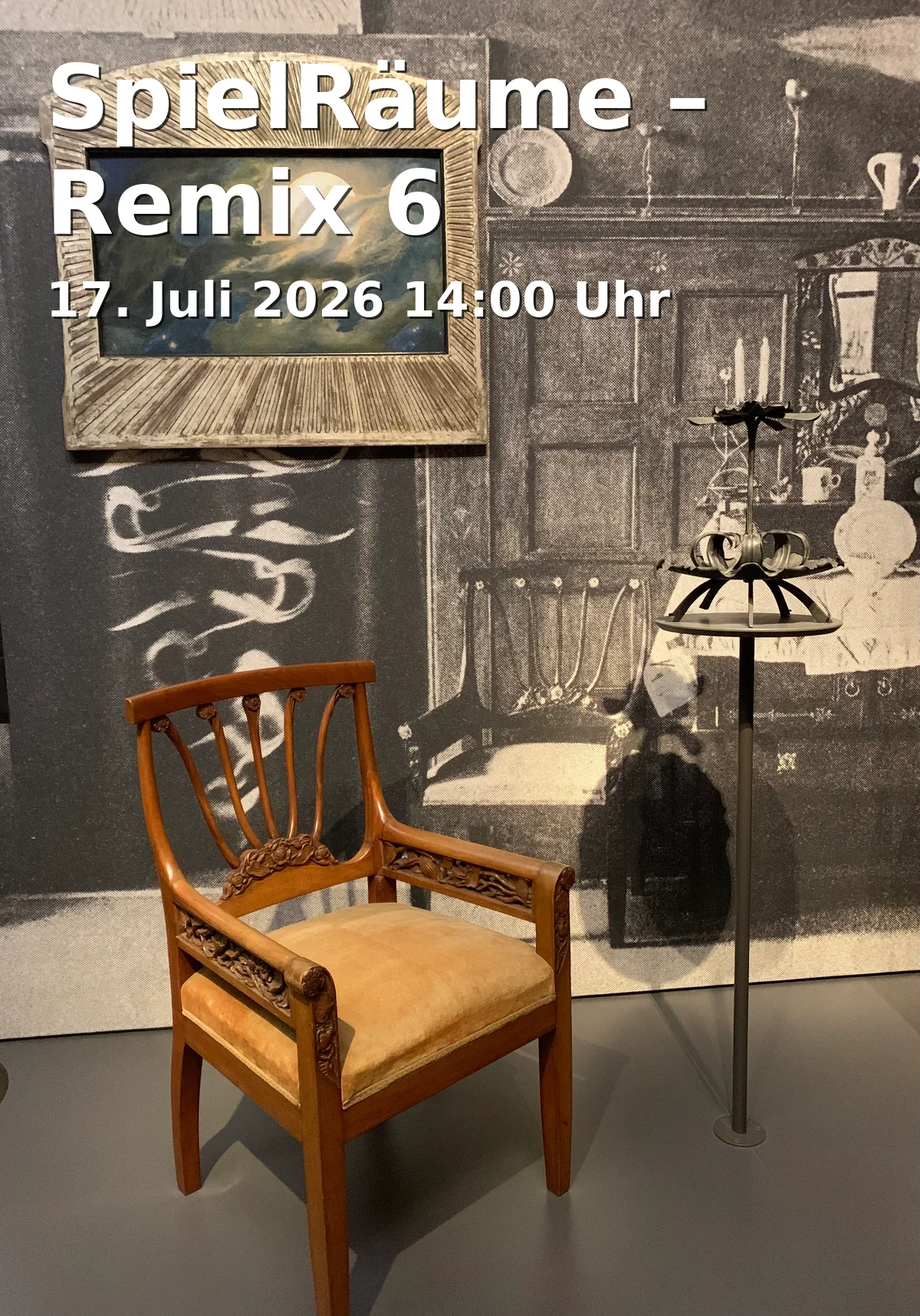
PlaySpaces – Remix 6
PlaySpaces at Schafhof Freising: Judit Lilla Molnar and Lina Zylla open a space for art, chance, and perception. Free admission, summer 2026. #Freising #Art
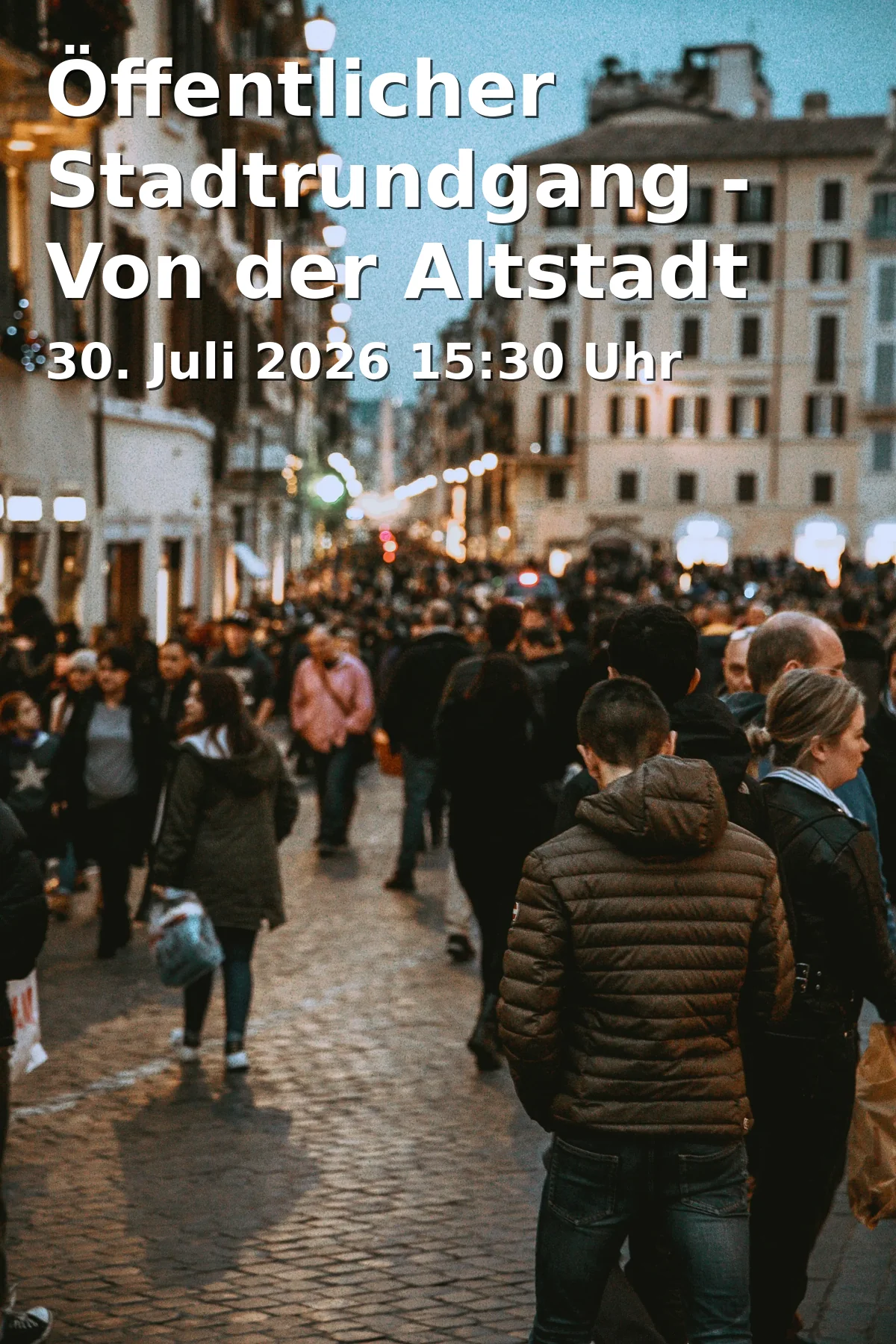
Public City Tour - From the Old Town to Weihenstephan
Experience Freising at its best: Old Town, Court Garden, and Weihenstephan in 90 minutes full of history. 30.07.2026, 10 euros. #Freising
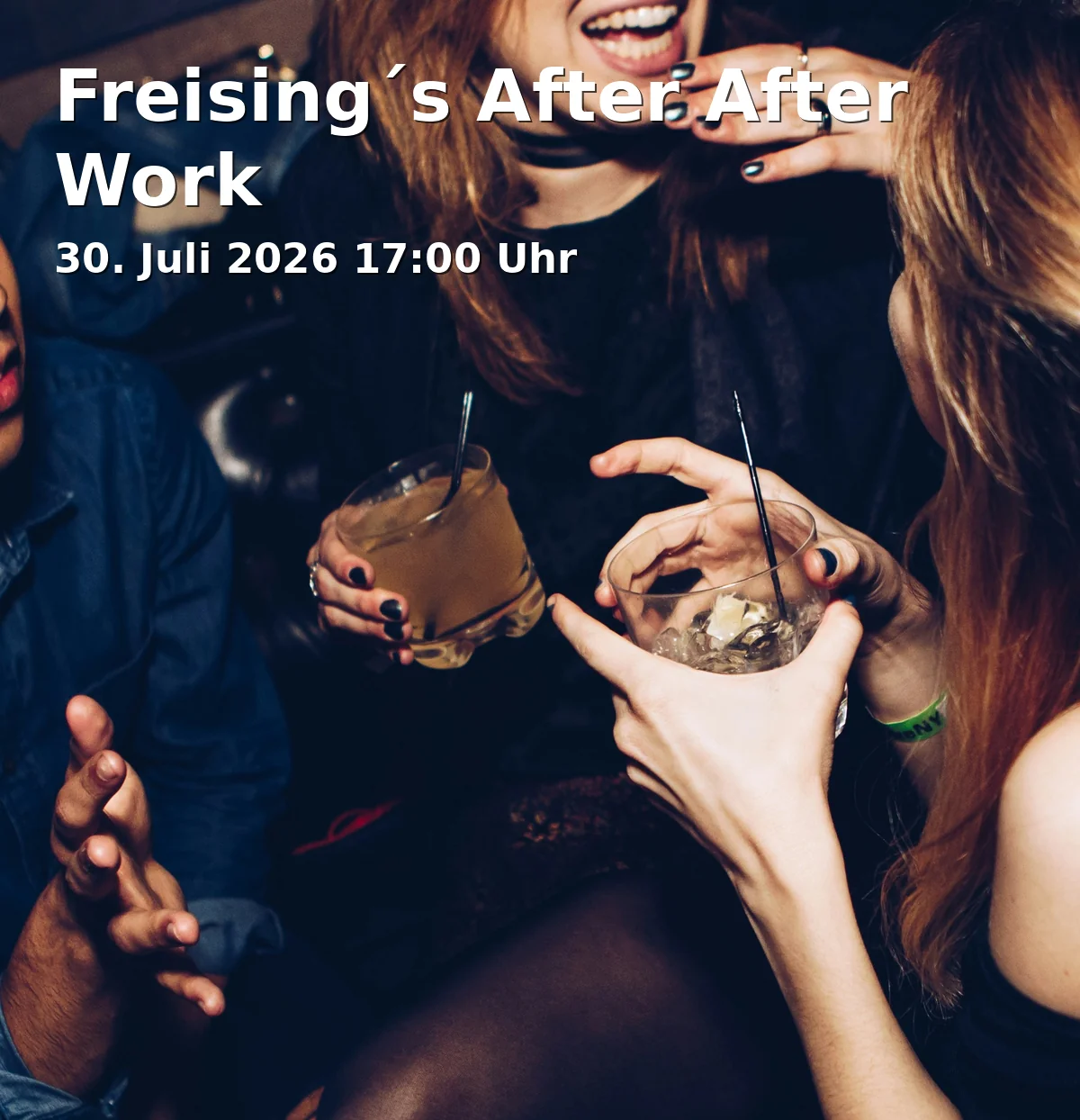
Freising's After After Work
Experience after-work anew in Freising: After After Work in the Sparkassen parking garage with a casual atmosphere, exchange, and summer feeling. July 30, 2026, free entry. #Freising
Frequently Asked Questions
Reviews
No reviews found