
Freising
Am Schafhof 1, 85354 Freising, Deutschland
Schafhof – European Art Forum Upper Bavaria | Photos & Program
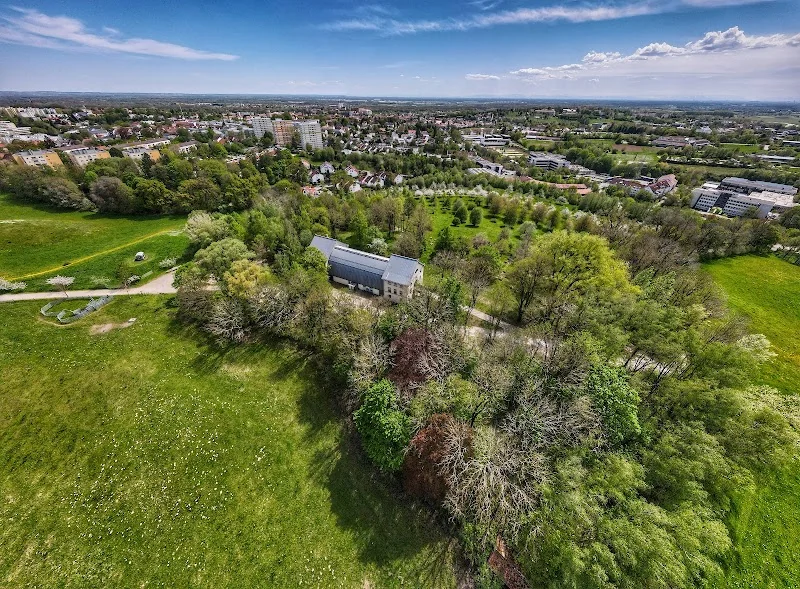
The Schafhof in Freising is one of those places that seem calm at first glance and tell surprisingly much upon closer inspection. Located on a ridge at the northern edge of the city, the building combines historical substance, a special location with a wide view, and a program that places contemporary art, exchange, and encounters at its center. Those searching for Schafhof European Art Forum Upper Bavaria photos are usually looking for not just a beautiful facade, but atmosphere, architecture, garden views, and the impression of a house that does not just display culture but lives it. This is exactly what makes the Schafhof so interesting: The former agricultural ensemble has been developed into an art forum that is now perceived as a venue for exhibitions, residencies, events, and special discoveries far beyond Freising. The official website, the tourism page of the city of Freising, and the program information of the house consistently show: The Schafhof is a place with history, but also with a very current cultural mission. ([tourismus.freising.de](https://tourismus.freising.de/sehenswert/museen-kunstorte/schafhof-europaeisches-kunstforum-oberbayern?utm_source=openai))
Photos, Impressions, and the First Look at the Schafhof
Those looking for pictures of the Schafhof will find mainly three strong motifs: the historic building itself, the open outdoor space with the sculpture garden, and the exhibition situations inside. The official image gallery shows views from the Schafhof, including exhibition spaces, openings, and room atmospheres, while the website also refers to the digital channels of the house. Especially for keyword searches for photos, it is important that the Schafhof does not appear as a neutral white cube, but as a distinctive structure with strong recognizability. The location on the ridge, the connection of architecture and nature, as well as the view of Freising and Weihenstephan make the place photogenic and unmistakable. The tourism page describes the Schafhof as an attractive nature-close location with views and distant perspectives, and this mixture of city, landscape, and culture also shapes the visual impression. For visitors who want to get a feel for the location in advance, this is helpful: The Schafhof always seems a bit larger, quieter, and more characterful than many classic cultural venues, both in official photos and in spontaneous impressions. ([schafhof-kunstforum.de](https://www.schafhof-kunstforum.de/Ausstellungen/Bildergalerie/?utm_source=openai))
Particularly exciting is that the digital presence of the house not only shows current motifs but also incorporates historical and archival perspectives. With Schafhof . n e x t, there is a 3D simulation of the exhibition spaces that makes the Schafhof as a documented art location tangible and makes the breadth of the program visible. This results in not only classic photos but also visual reconstructions and digital room views that make the search for the keyword Schafhof European Artist House Upper Bavaria or Schafhof European Art Forum truly meaningful. For image research, it is also interesting that the house is present on multiple channels like Instagram, Facebook, and YouTube. This allows for both current event images and impressions from the everyday life of the art forum to be found. So, if someone needs not just a single photo but a feel for light, space, and atmosphere, the Schafhof offers exactly the right mix of documentation, archive, and present. ([schafhof-kunstforum.de](https://www.schafhof-kunstforum.de/index.php?FID=3957.18.1&ModID=11&object=tx%7C3432.13&utm_source=openai))
Program, Exhibitions, and Events at the Schafhof
The heart of the Schafhof is its exhibition program. According to the official representation, about five exhibitions take place annually on two floors: in the gallery on the ground floor and in the first floor. The large exhibition hall on the upper floor is characterized by the barrel vault, whose shape gives the space a distinctive atmosphere. This is complemented by the sculpture garden in the outdoor area, where art interventions, sculptures, installations, as well as wall and floor works become visible. The house works with an annual theme that bundles various perspectives and facilitates access to the exhibited positions. This makes the Schafhof interesting not only for art connoisseurs but also for people who want to approach a theme from different viewpoints. The exhibitions showcase international and regional art, and admission is free. This combination of open accessibility, content clarity, and strong spatial situation explains why the Schafhof is so present in search queries for Schafhof Freising exhibitions and Schafhof Freising program. ([schafhof-kunstforum.de](https://www.schafhof-kunstforum.de/Unser-Programm/Ausstellungen?utm_source=openai))
The exhibition program also includes accompanying formats that open the place beyond the mere display. The series KUNST#TAGe brings together audiences, artists, and professionals from art and science in discussions, lectures, and performances. Additional formats include meetup+art with tours, workshops for children and youth, school programs, and partner events. Currently, the homepage of the house displays, among others, the annual exhibition VerSpielT, Apollon's Smile at Café MUSE, the Johannismarkt, SpielRäume - Remix 6, and the Four Seasons tours. The city of Freising also lists a festive Advent concert at the Schafhof in its event calendar. This makes it clear: The Schafhof is not only an exhibition venue but a vibrant cultural center where art, music, market, and mediation intertwine. For people searching for Schafhof European Art Forum Upper Bavaria or for an Advent concert, this is a strong indication that very different but always curated cultural moments take place here throughout the year. ([schafhof-kunstforum.de](https://www.schafhof-kunstforum.de/Veranstaltungen/KUNST-TAGe/?utm_source=openai))
Access, Parking, and Barrier-Free Access
The journey to the Schafhof is well documented and deliberately designed for different routes. By train or S1, one travels to Freising; from there, one takes bus line 620 to Wettersteinring or bus line 630 to Plantagenweg, then follows the white signs. The official directions also mention arriving by car via the A9, exit 67 Allershausen, or via the A92, exit 7 Freising Mitte. For guests coming from Munich Airport, the connection via bus 635 to Freising station is also described, from where the connection to the bus lines to the Schafhof is also possible. Thus, the Schafhof is not located in the city center, but is still comparatively easy to reach. For the search intention Schafhof Freising access, it is important that the routes are clear, signposted, and feasible with public transport. ([schafhof-kunstforum.de](https://www.schafhof-kunstforum.de/Kontakt/Adresse-Anfahrt?utm_source=openai))
When it comes to parking, the situation is a bit more nuanced. The official Schafhof pages do not prominently display a large visitor parking lot; therefore, it is advisable to combine the journey with the municipal parking offer in Freising. The city mentions several parking garages and large parking lots, such as the parking garage Untere Altstadt, parking garage Am Wörth, Altstadt-Parkhaus, Luitpoldanlage, and other facilities in and around the city center. While this is not directly a parking lot at the entrance of the Schafhof, it offers reliable alternatives for visitors arriving by car. Particularly pleasant is that the Schafhof is accessible without barriers: The exhibition spaces and the café are accessible according to the official website. In practice, this means that one can plan the journey well in advance without having to expect surprises on-site. This is exactly why the search terms Schafhof Freising parking and Schafhof Freising barrier-free are so relevant, as they help organize the visit in a practical and stress-free manner. ([schafhof-kunstforum.de](https://www.schafhof-kunstforum.de/?utm_source=openai))
History of the Schafhof: From Royal Sheep Stable to Art Forum
The history of the Schafhof is one of the most important reasons why the place appears so distinctive today. Historical sources date its origin to the beginning of the 19th century; 1819 and 1820 are mentioned. In essence, the story remains the same: At the behest of King Max I. Joseph, a model farm for merino sheep was established here. For more than 140 years, the royal sheep stable was part of the Weihenstephan research landscape and served agricultural purposes. The ensemble is also referred to as Schönleutnerhof, named after the manager Maximilian Schönleutner, who was one of the significant agricultural scientific figures in Bavaria. Architecturally, the flanking residential buildings and the barrel vault of the stables are defining, which is still perceived as an extraordinary feature of the house today. So, when searching for the Schafhof European Artist House Upper Bavaria, one does not accidentally stumble upon a modern cultural venue but rather a building with very deep historical roots. ([schafhof-kunstforum.de](https://www.schafhof-kunstforum.de/media/custom/2615_772_2.PDF?1536585161=))
After 1963, the complex was no longer used for agricultural purposes and gradually fell into disrepair before being acquired by the district of Upper Bavaria in 1989. Extensive renovations followed, initially with the aim of housing a museum on the history of agriculture in Bavaria. Later, the Freising architect Michael Deppisch redesigned the exhibition spaces and converted the west wing into artists' studios. In 2005, the Schafhof was finally reopened as the European Art Forum Upper Bavaria. This path from agriculture through decay to cultural rebirth explains why the house today conveys so well between history and the present. It is neither an artificially invented cultural center nor merely a preserved monument but a place whose former function remains inscribed in its current use. This makes the search for Schafhof European Artist House and Schafhof European Art Forum so meaningful: Both terms describe the same idea of a place where tradition, science, architecture, and contemporary art enter into dialogue. ([schafhof-kunstforum.de](https://www.schafhof-kunstforum.de/media/custom/2615_772_2.PDF?1536585161=))
Sculpture Garden, Café MUSE, and the Special Atmosphere on Site
The experience of the Schafhof absolutely includes the sculpture garden. The works in the outdoor space were created according to the official representation during an intensive engagement with the surroundings, nature, and history of the Schafhof. They were developed as art interventions, sculptures, installations, or conceptual works and are closely connected to the place. This is important because the Schafhof thus functions as an art location not only inside but also outside. For visitors, this means a flowing transition between architecture, landscape, and art, making the stay very multifaceted. It is exactly here that those motifs arise that are often particularly sought after in search queries for Schafhof photos: outdoor sculptures, green areas, historical walls, and the impression that art is not separated but embedded in the surroundings. The tourism page therefore also describes the Schafhof as an attractive nature-close location that is equally suitable for an excursion and for the extraordinary architecture. ([schafhof-kunstforum.de](https://www.schafhof-kunstforum.de/Ausstellungen/Skulpturengarten/?utm_source=openai))
Another important component is Café MUSE, which is described on the website as being continuously open during exhibition hours. In summer, it is open from Wednesday to Saturday between 2 PM and 7 PM and on Sundays and public holidays from 10 AM to 7 PM; in winter, the hours are Wednesday to Saturday 2 PM to 6 PM and Sundays and public holidays 10 AM to 6 PM. There, coffee, cake, and cold drinks are available, with quiche, lasagna, and other dishes from the kitchen of Viva Vita, as well as cakes from Mion's Café, available on weekends and holidays. The official page also points out that currently only cash payment is possible in the café. The view is particularly beautiful: The website describes the café as a place with a view over the city of Freising and Weihenstephan in a creative environment. Thus, the café becomes not only a practical break but also a part of the overall experience. Those searching for Schafhof Freising Café MUSE are actually looking for exactly this mix of art, view, tranquility, and uncomplicated lingering. ([schafhof-kunstforum.de](https://www.schafhof-kunstforum.de/?utm_source=openai))
Living Studios, European Art Scholarship, and International Encounters
The Schafhof is not only an exhibition venue but also a residence house. The official website and the English information brochure describe that three comfortable live-work studios are available for guest artists from Europe. The residency program is closely linked to the European Art Scholarship of the district of Upper Bavaria and allows stays for one to three artists for one to three months each year. In return, artists from Upper Bavaria travel to partner countries, creating a genuine exchange rather than a one-sided invitation. During the stay, there are public presentations, open studio moments, and usually a group presentation at the Schafhof at the end. This makes the place a platform for cultural encounters, not just a stage for finished works. For the search for Schafhof Freising art scholarship or Schafhof European Artist House, this is the central added value: The Schafhof promotes production, dialogue, and international networking at the same time. ([schafhof-kunstforum.de](https://www.schafhof-kunstforum.de/media/custom/2615_772_2.PDF?1536585161=))
Content-wise, the residency program is also broad. The official materials mention painting, video, sculpture, photography, drawing, conceptual art, and installation as important fields. Additionally, there are exhibitions with international and regional positions, solo and group shows, as well as thematic annual focuses that structure the program. This explains why the Schafhof, while located in Freising, does not appear provincial: The art comes from different countries and contexts, while the house itself retains a clear local identity. This connection of local reference and openness is also a strong signal for search engines, as it meaningfully combines the terms Schafhof European Art Forum, Schafhof European Artist House Upper Bavaria, and Schafhof Freising events. Therefore, those visiting the Schafhof experience not just a gallery or a museum but a place of constant movement: between studio and exhibition, between regional everyday life and European exchange, between quiet architecture and a lively cultural program. This ambiguity makes the Schafhof permanently interesting and explains its high relevance in the Freising cultural landscape. ([schafhof-kunstforum.de](https://www.schafhof-kunstforum.de/media/custom/2615_772_2.PDF?1536585161=))
Sources:
Show moreShow less
Schafhof – European Art Forum Upper Bavaria | Photos & Program
The Schafhof in Freising is one of those places that seem calm at first glance and tell surprisingly much upon closer inspection. Located on a ridge at the northern edge of the city, the building combines historical substance, a special location with a wide view, and a program that places contemporary art, exchange, and encounters at its center. Those searching for Schafhof European Art Forum Upper Bavaria photos are usually looking for not just a beautiful facade, but atmosphere, architecture, garden views, and the impression of a house that does not just display culture but lives it. This is exactly what makes the Schafhof so interesting: The former agricultural ensemble has been developed into an art forum that is now perceived as a venue for exhibitions, residencies, events, and special discoveries far beyond Freising. The official website, the tourism page of the city of Freising, and the program information of the house consistently show: The Schafhof is a place with history, but also with a very current cultural mission. ([tourismus.freising.de](https://tourismus.freising.de/sehenswert/museen-kunstorte/schafhof-europaeisches-kunstforum-oberbayern?utm_source=openai))
Photos, Impressions, and the First Look at the Schafhof
Those looking for pictures of the Schafhof will find mainly three strong motifs: the historic building itself, the open outdoor space with the sculpture garden, and the exhibition situations inside. The official image gallery shows views from the Schafhof, including exhibition spaces, openings, and room atmospheres, while the website also refers to the digital channels of the house. Especially for keyword searches for photos, it is important that the Schafhof does not appear as a neutral white cube, but as a distinctive structure with strong recognizability. The location on the ridge, the connection of architecture and nature, as well as the view of Freising and Weihenstephan make the place photogenic and unmistakable. The tourism page describes the Schafhof as an attractive nature-close location with views and distant perspectives, and this mixture of city, landscape, and culture also shapes the visual impression. For visitors who want to get a feel for the location in advance, this is helpful: The Schafhof always seems a bit larger, quieter, and more characterful than many classic cultural venues, both in official photos and in spontaneous impressions. ([schafhof-kunstforum.de](https://www.schafhof-kunstforum.de/Ausstellungen/Bildergalerie/?utm_source=openai))
Particularly exciting is that the digital presence of the house not only shows current motifs but also incorporates historical and archival perspectives. With Schafhof . n e x t, there is a 3D simulation of the exhibition spaces that makes the Schafhof as a documented art location tangible and makes the breadth of the program visible. This results in not only classic photos but also visual reconstructions and digital room views that make the search for the keyword Schafhof European Artist House Upper Bavaria or Schafhof European Art Forum truly meaningful. For image research, it is also interesting that the house is present on multiple channels like Instagram, Facebook, and YouTube. This allows for both current event images and impressions from the everyday life of the art forum to be found. So, if someone needs not just a single photo but a feel for light, space, and atmosphere, the Schafhof offers exactly the right mix of documentation, archive, and present. ([schafhof-kunstforum.de](https://www.schafhof-kunstforum.de/index.php?FID=3957.18.1&ModID=11&object=tx%7C3432.13&utm_source=openai))
Program, Exhibitions, and Events at the Schafhof
The heart of the Schafhof is its exhibition program. According to the official representation, about five exhibitions take place annually on two floors: in the gallery on the ground floor and in the first floor. The large exhibition hall on the upper floor is characterized by the barrel vault, whose shape gives the space a distinctive atmosphere. This is complemented by the sculpture garden in the outdoor area, where art interventions, sculptures, installations, as well as wall and floor works become visible. The house works with an annual theme that bundles various perspectives and facilitates access to the exhibited positions. This makes the Schafhof interesting not only for art connoisseurs but also for people who want to approach a theme from different viewpoints. The exhibitions showcase international and regional art, and admission is free. This combination of open accessibility, content clarity, and strong spatial situation explains why the Schafhof is so present in search queries for Schafhof Freising exhibitions and Schafhof Freising program. ([schafhof-kunstforum.de](https://www.schafhof-kunstforum.de/Unser-Programm/Ausstellungen?utm_source=openai))
The exhibition program also includes accompanying formats that open the place beyond the mere display. The series KUNST#TAGe brings together audiences, artists, and professionals from art and science in discussions, lectures, and performances. Additional formats include meetup+art with tours, workshops for children and youth, school programs, and partner events. Currently, the homepage of the house displays, among others, the annual exhibition VerSpielT, Apollon's Smile at Café MUSE, the Johannismarkt, SpielRäume - Remix 6, and the Four Seasons tours. The city of Freising also lists a festive Advent concert at the Schafhof in its event calendar. This makes it clear: The Schafhof is not only an exhibition venue but a vibrant cultural center where art, music, market, and mediation intertwine. For people searching for Schafhof European Art Forum Upper Bavaria or for an Advent concert, this is a strong indication that very different but always curated cultural moments take place here throughout the year. ([schafhof-kunstforum.de](https://www.schafhof-kunstforum.de/Veranstaltungen/KUNST-TAGe/?utm_source=openai))
Access, Parking, and Barrier-Free Access
The journey to the Schafhof is well documented and deliberately designed for different routes. By train or S1, one travels to Freising; from there, one takes bus line 620 to Wettersteinring or bus line 630 to Plantagenweg, then follows the white signs. The official directions also mention arriving by car via the A9, exit 67 Allershausen, or via the A92, exit 7 Freising Mitte. For guests coming from Munich Airport, the connection via bus 635 to Freising station is also described, from where the connection to the bus lines to the Schafhof is also possible. Thus, the Schafhof is not located in the city center, but is still comparatively easy to reach. For the search intention Schafhof Freising access, it is important that the routes are clear, signposted, and feasible with public transport. ([schafhof-kunstforum.de](https://www.schafhof-kunstforum.de/Kontakt/Adresse-Anfahrt?utm_source=openai))
When it comes to parking, the situation is a bit more nuanced. The official Schafhof pages do not prominently display a large visitor parking lot; therefore, it is advisable to combine the journey with the municipal parking offer in Freising. The city mentions several parking garages and large parking lots, such as the parking garage Untere Altstadt, parking garage Am Wörth, Altstadt-Parkhaus, Luitpoldanlage, and other facilities in and around the city center. While this is not directly a parking lot at the entrance of the Schafhof, it offers reliable alternatives for visitors arriving by car. Particularly pleasant is that the Schafhof is accessible without barriers: The exhibition spaces and the café are accessible according to the official website. In practice, this means that one can plan the journey well in advance without having to expect surprises on-site. This is exactly why the search terms Schafhof Freising parking and Schafhof Freising barrier-free are so relevant, as they help organize the visit in a practical and stress-free manner. ([schafhof-kunstforum.de](https://www.schafhof-kunstforum.de/?utm_source=openai))
History of the Schafhof: From Royal Sheep Stable to Art Forum
The history of the Schafhof is one of the most important reasons why the place appears so distinctive today. Historical sources date its origin to the beginning of the 19th century; 1819 and 1820 are mentioned. In essence, the story remains the same: At the behest of King Max I. Joseph, a model farm for merino sheep was established here. For more than 140 years, the royal sheep stable was part of the Weihenstephan research landscape and served agricultural purposes. The ensemble is also referred to as Schönleutnerhof, named after the manager Maximilian Schönleutner, who was one of the significant agricultural scientific figures in Bavaria. Architecturally, the flanking residential buildings and the barrel vault of the stables are defining, which is still perceived as an extraordinary feature of the house today. So, when searching for the Schafhof European Artist House Upper Bavaria, one does not accidentally stumble upon a modern cultural venue but rather a building with very deep historical roots. ([schafhof-kunstforum.de](https://www.schafhof-kunstforum.de/media/custom/2615_772_2.PDF?1536585161=))
After 1963, the complex was no longer used for agricultural purposes and gradually fell into disrepair before being acquired by the district of Upper Bavaria in 1989. Extensive renovations followed, initially with the aim of housing a museum on the history of agriculture in Bavaria. Later, the Freising architect Michael Deppisch redesigned the exhibition spaces and converted the west wing into artists' studios. In 2005, the Schafhof was finally reopened as the European Art Forum Upper Bavaria. This path from agriculture through decay to cultural rebirth explains why the house today conveys so well between history and the present. It is neither an artificially invented cultural center nor merely a preserved monument but a place whose former function remains inscribed in its current use. This makes the search for Schafhof European Artist House and Schafhof European Art Forum so meaningful: Both terms describe the same idea of a place where tradition, science, architecture, and contemporary art enter into dialogue. ([schafhof-kunstforum.de](https://www.schafhof-kunstforum.de/media/custom/2615_772_2.PDF?1536585161=))
Sculpture Garden, Café MUSE, and the Special Atmosphere on Site
The experience of the Schafhof absolutely includes the sculpture garden. The works in the outdoor space were created according to the official representation during an intensive engagement with the surroundings, nature, and history of the Schafhof. They were developed as art interventions, sculptures, installations, or conceptual works and are closely connected to the place. This is important because the Schafhof thus functions as an art location not only inside but also outside. For visitors, this means a flowing transition between architecture, landscape, and art, making the stay very multifaceted. It is exactly here that those motifs arise that are often particularly sought after in search queries for Schafhof photos: outdoor sculptures, green areas, historical walls, and the impression that art is not separated but embedded in the surroundings. The tourism page therefore also describes the Schafhof as an attractive nature-close location that is equally suitable for an excursion and for the extraordinary architecture. ([schafhof-kunstforum.de](https://www.schafhof-kunstforum.de/Ausstellungen/Skulpturengarten/?utm_source=openai))
Another important component is Café MUSE, which is described on the website as being continuously open during exhibition hours. In summer, it is open from Wednesday to Saturday between 2 PM and 7 PM and on Sundays and public holidays from 10 AM to 7 PM; in winter, the hours are Wednesday to Saturday 2 PM to 6 PM and Sundays and public holidays 10 AM to 6 PM. There, coffee, cake, and cold drinks are available, with quiche, lasagna, and other dishes from the kitchen of Viva Vita, as well as cakes from Mion's Café, available on weekends and holidays. The official page also points out that currently only cash payment is possible in the café. The view is particularly beautiful: The website describes the café as a place with a view over the city of Freising and Weihenstephan in a creative environment. Thus, the café becomes not only a practical break but also a part of the overall experience. Those searching for Schafhof Freising Café MUSE are actually looking for exactly this mix of art, view, tranquility, and uncomplicated lingering. ([schafhof-kunstforum.de](https://www.schafhof-kunstforum.de/?utm_source=openai))
Living Studios, European Art Scholarship, and International Encounters
The Schafhof is not only an exhibition venue but also a residence house. The official website and the English information brochure describe that three comfortable live-work studios are available for guest artists from Europe. The residency program is closely linked to the European Art Scholarship of the district of Upper Bavaria and allows stays for one to three artists for one to three months each year. In return, artists from Upper Bavaria travel to partner countries, creating a genuine exchange rather than a one-sided invitation. During the stay, there are public presentations, open studio moments, and usually a group presentation at the Schafhof at the end. This makes the place a platform for cultural encounters, not just a stage for finished works. For the search for Schafhof Freising art scholarship or Schafhof European Artist House, this is the central added value: The Schafhof promotes production, dialogue, and international networking at the same time. ([schafhof-kunstforum.de](https://www.schafhof-kunstforum.de/media/custom/2615_772_2.PDF?1536585161=))
Content-wise, the residency program is also broad. The official materials mention painting, video, sculpture, photography, drawing, conceptual art, and installation as important fields. Additionally, there are exhibitions with international and regional positions, solo and group shows, as well as thematic annual focuses that structure the program. This explains why the Schafhof, while located in Freising, does not appear provincial: The art comes from different countries and contexts, while the house itself retains a clear local identity. This connection of local reference and openness is also a strong signal for search engines, as it meaningfully combines the terms Schafhof European Art Forum, Schafhof European Artist House Upper Bavaria, and Schafhof Freising events. Therefore, those visiting the Schafhof experience not just a gallery or a museum but a place of constant movement: between studio and exhibition, between regional everyday life and European exchange, between quiet architecture and a lively cultural program. This ambiguity makes the Schafhof permanently interesting and explains its high relevance in the Freising cultural landscape. ([schafhof-kunstforum.de](https://www.schafhof-kunstforum.de/media/custom/2615_772_2.PDF?1536585161=))
Sources:
Schafhof – European Art Forum Upper Bavaria | Photos & Program
The Schafhof in Freising is one of those places that seem calm at first glance and tell surprisingly much upon closer inspection. Located on a ridge at the northern edge of the city, the building combines historical substance, a special location with a wide view, and a program that places contemporary art, exchange, and encounters at its center. Those searching for Schafhof European Art Forum Upper Bavaria photos are usually looking for not just a beautiful facade, but atmosphere, architecture, garden views, and the impression of a house that does not just display culture but lives it. This is exactly what makes the Schafhof so interesting: The former agricultural ensemble has been developed into an art forum that is now perceived as a venue for exhibitions, residencies, events, and special discoveries far beyond Freising. The official website, the tourism page of the city of Freising, and the program information of the house consistently show: The Schafhof is a place with history, but also with a very current cultural mission. ([tourismus.freising.de](https://tourismus.freising.de/sehenswert/museen-kunstorte/schafhof-europaeisches-kunstforum-oberbayern?utm_source=openai))
Photos, Impressions, and the First Look at the Schafhof
Those looking for pictures of the Schafhof will find mainly three strong motifs: the historic building itself, the open outdoor space with the sculpture garden, and the exhibition situations inside. The official image gallery shows views from the Schafhof, including exhibition spaces, openings, and room atmospheres, while the website also refers to the digital channels of the house. Especially for keyword searches for photos, it is important that the Schafhof does not appear as a neutral white cube, but as a distinctive structure with strong recognizability. The location on the ridge, the connection of architecture and nature, as well as the view of Freising and Weihenstephan make the place photogenic and unmistakable. The tourism page describes the Schafhof as an attractive nature-close location with views and distant perspectives, and this mixture of city, landscape, and culture also shapes the visual impression. For visitors who want to get a feel for the location in advance, this is helpful: The Schafhof always seems a bit larger, quieter, and more characterful than many classic cultural venues, both in official photos and in spontaneous impressions. ([schafhof-kunstforum.de](https://www.schafhof-kunstforum.de/Ausstellungen/Bildergalerie/?utm_source=openai))
Particularly exciting is that the digital presence of the house not only shows current motifs but also incorporates historical and archival perspectives. With Schafhof . n e x t, there is a 3D simulation of the exhibition spaces that makes the Schafhof as a documented art location tangible and makes the breadth of the program visible. This results in not only classic photos but also visual reconstructions and digital room views that make the search for the keyword Schafhof European Artist House Upper Bavaria or Schafhof European Art Forum truly meaningful. For image research, it is also interesting that the house is present on multiple channels like Instagram, Facebook, and YouTube. This allows for both current event images and impressions from the everyday life of the art forum to be found. So, if someone needs not just a single photo but a feel for light, space, and atmosphere, the Schafhof offers exactly the right mix of documentation, archive, and present. ([schafhof-kunstforum.de](https://www.schafhof-kunstforum.de/index.php?FID=3957.18.1&ModID=11&object=tx%7C3432.13&utm_source=openai))
Program, Exhibitions, and Events at the Schafhof
The heart of the Schafhof is its exhibition program. According to the official representation, about five exhibitions take place annually on two floors: in the gallery on the ground floor and in the first floor. The large exhibition hall on the upper floor is characterized by the barrel vault, whose shape gives the space a distinctive atmosphere. This is complemented by the sculpture garden in the outdoor area, where art interventions, sculptures, installations, as well as wall and floor works become visible. The house works with an annual theme that bundles various perspectives and facilitates access to the exhibited positions. This makes the Schafhof interesting not only for art connoisseurs but also for people who want to approach a theme from different viewpoints. The exhibitions showcase international and regional art, and admission is free. This combination of open accessibility, content clarity, and strong spatial situation explains why the Schafhof is so present in search queries for Schafhof Freising exhibitions and Schafhof Freising program. ([schafhof-kunstforum.de](https://www.schafhof-kunstforum.de/Unser-Programm/Ausstellungen?utm_source=openai))
The exhibition program also includes accompanying formats that open the place beyond the mere display. The series KUNST#TAGe brings together audiences, artists, and professionals from art and science in discussions, lectures, and performances. Additional formats include meetup+art with tours, workshops for children and youth, school programs, and partner events. Currently, the homepage of the house displays, among others, the annual exhibition VerSpielT, Apollon's Smile at Café MUSE, the Johannismarkt, SpielRäume - Remix 6, and the Four Seasons tours. The city of Freising also lists a festive Advent concert at the Schafhof in its event calendar. This makes it clear: The Schafhof is not only an exhibition venue but a vibrant cultural center where art, music, market, and mediation intertwine. For people searching for Schafhof European Art Forum Upper Bavaria or for an Advent concert, this is a strong indication that very different but always curated cultural moments take place here throughout the year. ([schafhof-kunstforum.de](https://www.schafhof-kunstforum.de/Veranstaltungen/KUNST-TAGe/?utm_source=openai))
Access, Parking, and Barrier-Free Access
The journey to the Schafhof is well documented and deliberately designed for different routes. By train or S1, one travels to Freising; from there, one takes bus line 620 to Wettersteinring or bus line 630 to Plantagenweg, then follows the white signs. The official directions also mention arriving by car via the A9, exit 67 Allershausen, or via the A92, exit 7 Freising Mitte. For guests coming from Munich Airport, the connection via bus 635 to Freising station is also described, from where the connection to the bus lines to the Schafhof is also possible. Thus, the Schafhof is not located in the city center, but is still comparatively easy to reach. For the search intention Schafhof Freising access, it is important that the routes are clear, signposted, and feasible with public transport. ([schafhof-kunstforum.de](https://www.schafhof-kunstforum.de/Kontakt/Adresse-Anfahrt?utm_source=openai))
When it comes to parking, the situation is a bit more nuanced. The official Schafhof pages do not prominently display a large visitor parking lot; therefore, it is advisable to combine the journey with the municipal parking offer in Freising. The city mentions several parking garages and large parking lots, such as the parking garage Untere Altstadt, parking garage Am Wörth, Altstadt-Parkhaus, Luitpoldanlage, and other facilities in and around the city center. While this is not directly a parking lot at the entrance of the Schafhof, it offers reliable alternatives for visitors arriving by car. Particularly pleasant is that the Schafhof is accessible without barriers: The exhibition spaces and the café are accessible according to the official website. In practice, this means that one can plan the journey well in advance without having to expect surprises on-site. This is exactly why the search terms Schafhof Freising parking and Schafhof Freising barrier-free are so relevant, as they help organize the visit in a practical and stress-free manner. ([schafhof-kunstforum.de](https://www.schafhof-kunstforum.de/?utm_source=openai))
History of the Schafhof: From Royal Sheep Stable to Art Forum
The history of the Schafhof is one of the most important reasons why the place appears so distinctive today. Historical sources date its origin to the beginning of the 19th century; 1819 and 1820 are mentioned. In essence, the story remains the same: At the behest of King Max I. Joseph, a model farm for merino sheep was established here. For more than 140 years, the royal sheep stable was part of the Weihenstephan research landscape and served agricultural purposes. The ensemble is also referred to as Schönleutnerhof, named after the manager Maximilian Schönleutner, who was one of the significant agricultural scientific figures in Bavaria. Architecturally, the flanking residential buildings and the barrel vault of the stables are defining, which is still perceived as an extraordinary feature of the house today. So, when searching for the Schafhof European Artist House Upper Bavaria, one does not accidentally stumble upon a modern cultural venue but rather a building with very deep historical roots. ([schafhof-kunstforum.de](https://www.schafhof-kunstforum.de/media/custom/2615_772_2.PDF?1536585161=))
After 1963, the complex was no longer used for agricultural purposes and gradually fell into disrepair before being acquired by the district of Upper Bavaria in 1989. Extensive renovations followed, initially with the aim of housing a museum on the history of agriculture in Bavaria. Later, the Freising architect Michael Deppisch redesigned the exhibition spaces and converted the west wing into artists' studios. In 2005, the Schafhof was finally reopened as the European Art Forum Upper Bavaria. This path from agriculture through decay to cultural rebirth explains why the house today conveys so well between history and the present. It is neither an artificially invented cultural center nor merely a preserved monument but a place whose former function remains inscribed in its current use. This makes the search for Schafhof European Artist House and Schafhof European Art Forum so meaningful: Both terms describe the same idea of a place where tradition, science, architecture, and contemporary art enter into dialogue. ([schafhof-kunstforum.de](https://www.schafhof-kunstforum.de/media/custom/2615_772_2.PDF?1536585161=))
Sculpture Garden, Café MUSE, and the Special Atmosphere on Site
The experience of the Schafhof absolutely includes the sculpture garden. The works in the outdoor space were created according to the official representation during an intensive engagement with the surroundings, nature, and history of the Schafhof. They were developed as art interventions, sculptures, installations, or conceptual works and are closely connected to the place. This is important because the Schafhof thus functions as an art location not only inside but also outside. For visitors, this means a flowing transition between architecture, landscape, and art, making the stay very multifaceted. It is exactly here that those motifs arise that are often particularly sought after in search queries for Schafhof photos: outdoor sculptures, green areas, historical walls, and the impression that art is not separated but embedded in the surroundings. The tourism page therefore also describes the Schafhof as an attractive nature-close location that is equally suitable for an excursion and for the extraordinary architecture. ([schafhof-kunstforum.de](https://www.schafhof-kunstforum.de/Ausstellungen/Skulpturengarten/?utm_source=openai))
Another important component is Café MUSE, which is described on the website as being continuously open during exhibition hours. In summer, it is open from Wednesday to Saturday between 2 PM and 7 PM and on Sundays and public holidays from 10 AM to 7 PM; in winter, the hours are Wednesday to Saturday 2 PM to 6 PM and Sundays and public holidays 10 AM to 6 PM. There, coffee, cake, and cold drinks are available, with quiche, lasagna, and other dishes from the kitchen of Viva Vita, as well as cakes from Mion's Café, available on weekends and holidays. The official page also points out that currently only cash payment is possible in the café. The view is particularly beautiful: The website describes the café as a place with a view over the city of Freising and Weihenstephan in a creative environment. Thus, the café becomes not only a practical break but also a part of the overall experience. Those searching for Schafhof Freising Café MUSE are actually looking for exactly this mix of art, view, tranquility, and uncomplicated lingering. ([schafhof-kunstforum.de](https://www.schafhof-kunstforum.de/?utm_source=openai))
Living Studios, European Art Scholarship, and International Encounters
The Schafhof is not only an exhibition venue but also a residence house. The official website and the English information brochure describe that three comfortable live-work studios are available for guest artists from Europe. The residency program is closely linked to the European Art Scholarship of the district of Upper Bavaria and allows stays for one to three artists for one to three months each year. In return, artists from Upper Bavaria travel to partner countries, creating a genuine exchange rather than a one-sided invitation. During the stay, there are public presentations, open studio moments, and usually a group presentation at the Schafhof at the end. This makes the place a platform for cultural encounters, not just a stage for finished works. For the search for Schafhof Freising art scholarship or Schafhof European Artist House, this is the central added value: The Schafhof promotes production, dialogue, and international networking at the same time. ([schafhof-kunstforum.de](https://www.schafhof-kunstforum.de/media/custom/2615_772_2.PDF?1536585161=))
Content-wise, the residency program is also broad. The official materials mention painting, video, sculpture, photography, drawing, conceptual art, and installation as important fields. Additionally, there are exhibitions with international and regional positions, solo and group shows, as well as thematic annual focuses that structure the program. This explains why the Schafhof, while located in Freising, does not appear provincial: The art comes from different countries and contexts, while the house itself retains a clear local identity. This connection of local reference and openness is also a strong signal for search engines, as it meaningfully combines the terms Schafhof European Art Forum, Schafhof European Artist House Upper Bavaria, and Schafhof Freising events. Therefore, those visiting the Schafhof experience not just a gallery or a museum but a place of constant movement: between studio and exhibition, between regional everyday life and European exchange, between quiet architecture and a lively cultural program. This ambiguity makes the Schafhof permanently interesting and explains its high relevance in the Freising cultural landscape. ([schafhof-kunstforum.de](https://www.schafhof-kunstforum.de/media/custom/2615_772_2.PDF?1536585161=))
Sources:
Upcoming Events
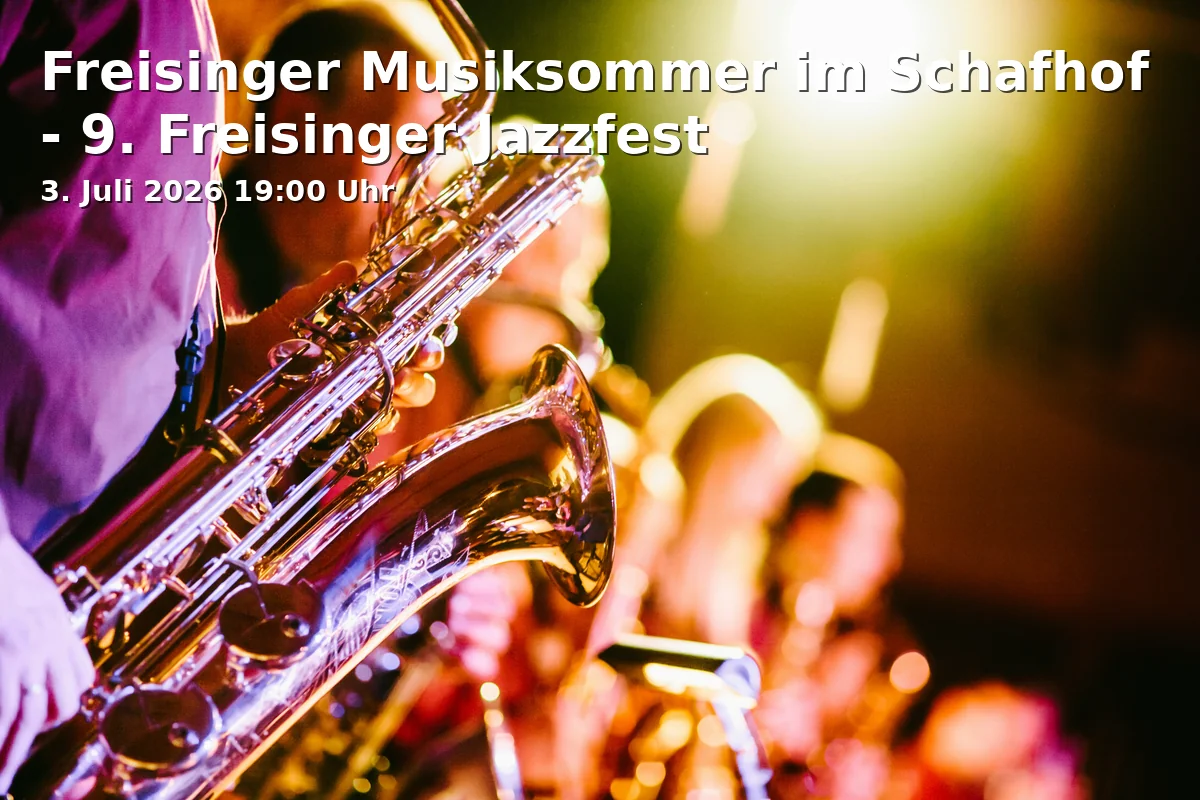
Freising Music Summer at Schafhof - 9th Freising Jazz Festival
A summer evening for jazz fans: The 9th Freising Jazz Festival at Schafhof combines swing, live atmosphere, and free admission. 03.07.2026 in Freising. #Jazzfest
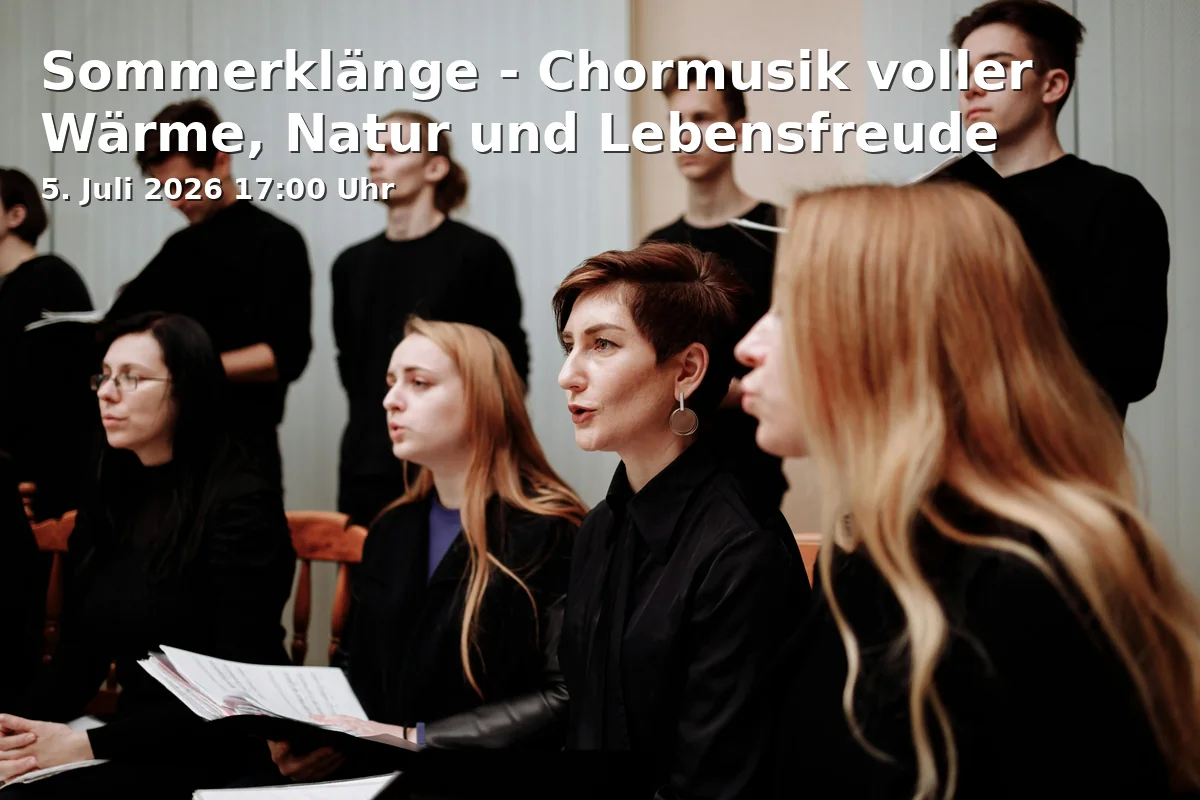
Summer Sounds - Choral Music Full of Warmth, Nature, and Joy of Life
A summer evening full of choral sound at Schafhof Freising: Experience Haydn, Gershwin, and great voices live. 05.07.2026, tickets starting from 22 Euros. #ChoralConcert
Frequently Asked Questions
Reviews
Nicolás Pinto Schulz
2. March 2024
I visited the exhibition on a Friday afternoon and it was absolutely amazing. The place is a hidden gem in the middle of the most beautiful countryside. I did a guided tour with an art historian working at Schafhof. She knew so many backgrounds of the art works and was really professional and nice. I learned so much also about the residency programme and the important role of Schafhof in the local culture scene. Thank you so much! I enjoyed the choice of artworks, especially the immersive space of Lilian Robl. Don’t miss out to visit the exhibition when you are in Munich or Freising.
Jacqui Priestley
16. August 2020
This is a magical place, artists were painting as we wandered around the beautiful gardens. The view was on rolling countryside. The food was tasty and healthy which allowed us to have a slice of their fabulous carrot cake for afters! The young man who served us was charming and attentive. A perfect afternoon. I will be back.
Steven_6 Stevo
28. November 2024
Easily accessible by foot and other private and public means
Parth Joshi
23. May 2019
Great place to have vegan breakfast and view gallery.
Iwannaknow
26. April 2019
No more food.